Skip to content

Chapter 8: Symbols, colour and brands

National symbols of India

The emblem, flag, anthem, song and calendar of India, the animals, plants and river chosen as national symbols, and which popular "national" symbols were never made official.

In one minute

6 facts to know

  1. The State Emblem comes from the Lion Capital of Ashoka at Sarnath, carved from polished sandstone. It was adopted on 26 January 1950, with the motto Satyameva Jayate ("Truth alone triumphs") from the Mundaka Upanishad.
  2. The flag, based on Pingali Venkayya's design, was adopted on 22 July 1947. Its width and length are in the ratio 2:3 (length to width 3:2), and its navy blue Ashoka Chakra has 24 spokes.
  3. Jana Gana Mana by Rabindranath Tagore became the national anthem on 24 January 1950 and takes about 52 seconds. Vande Mataram by Bankim Chandra Chattopadhyay, from his novel Anandamath, is the national song.
  4. The national calendar is the Saka calendar, used officially from 22 March 1957, alongside the Gregorian calendar.
  5. Tiger, peacock, elephant (heritage animal), Ganges river dolphin and the Ganga are the national animal, bird, heritage animal, aquatic animal and river.
  6. India has no official national game (the government said so in 2012), no official national reptile, and, the government told Parliament in 2019, no notified national flower.

The State Emblem

The State Emblem is the seal of the Government of India. You see it on passports, banknotes, coins and court papers. It is drawn from a real sculpture made more than 2,200 years ago.

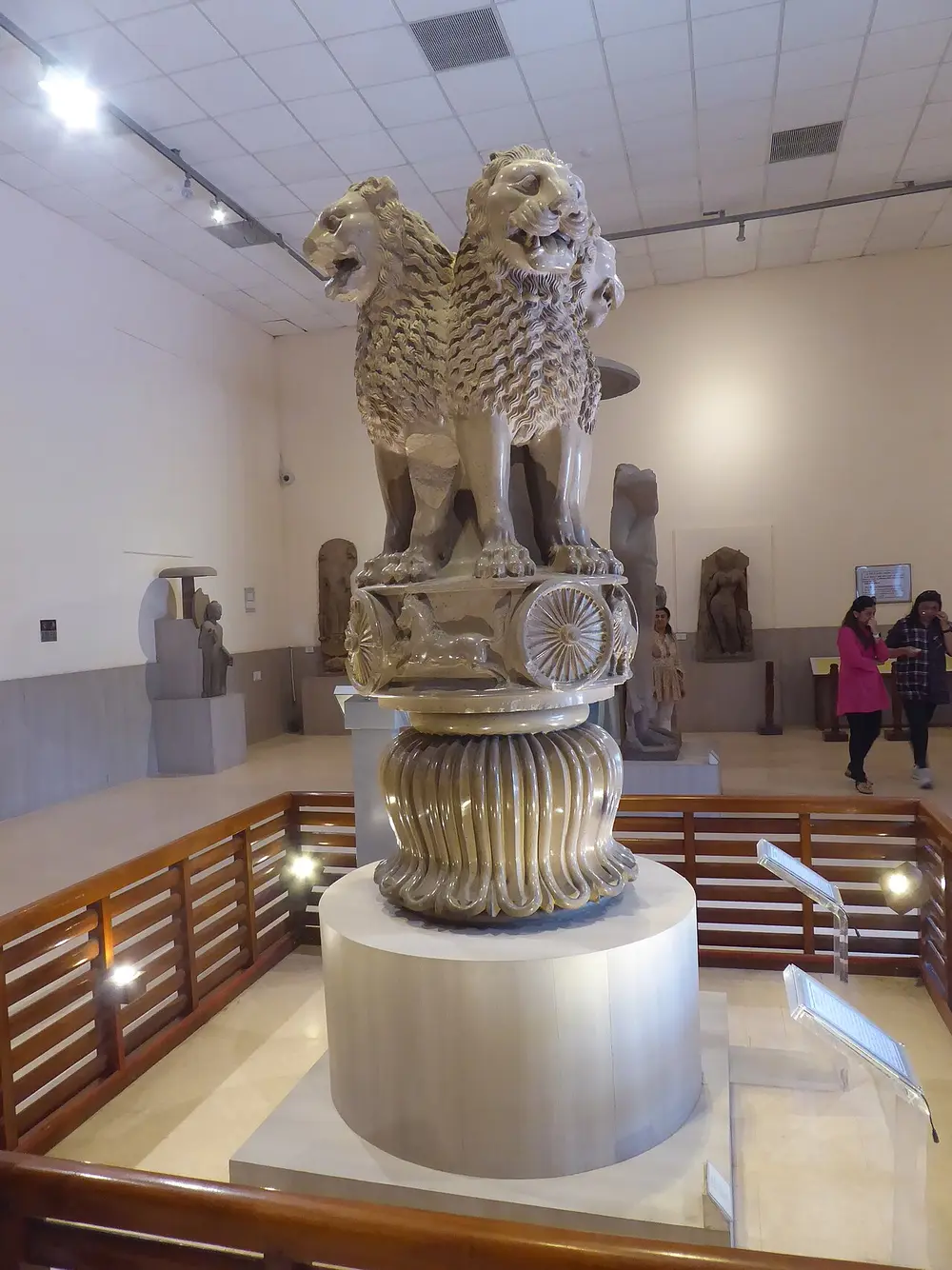
The Lion Capital in a museum hall: four stone lions sitting back to back on a round base carved with a horse and a spoked wheel, above a bell-shaped lotus, on a round pedestal behind a wooden railing.
Picture: lisa bat. CC BY 2.0.

Lion Capital of Ashoka

Where
Sarnath Museum, near Varanasi, Uttar Pradesh
When
About 250 BCE; dug up in 1904 to 1905
Who
Made for the Mauryan emperor Ashoka
Made with
One block of polished Chunar sandstone

A capital is the carved top of a pillar. This one crowned a pillar Ashoka set up at Sarnath, where the Buddha gave his first sermon. Four lions sit back to back on a round slab (the abacus), which is carved with an elephant, a galloping horse, a bull and a lion, separated by wheels. Below it is an upside-down, bell-shaped lotus. The whole piece is about 2.1 metres tall, and its glassy shine is the famous Mauryan polish.

Spot it by

Four lions facing four ways, a band of animals and wheels, and a bell-shaped lotus at the bottom.

Remember

It is sandstone, not granite: a past UCEED question turned on exactly this.

Don't confuse

The emblem and the flag both borrow from this one capital: the lions go on the emblem, the wheel goes on the flag.
State Emblem of India

When
Adopted on 26 January 1950
Who
Drawn for the Constitution by Dinanath Bhargava, a student of Nandalal Bose

The emblem shows the Lion Capital from the side, so only three lions can be seen. The wheel (the Dharma Chakra) is in the middle of the base, with a bull on the right and a galloping horse on the left; the lotus is left out. Below it, in Devanagari, is the motto Satyameva Jayate, "Truth alone triumphs", a line from the Mundaka Upanishad. Its use is controlled by a law, the State Emblem of India (Prohibition of Improper Use) Act, 2005, so companies and private people cannot put it on their products or letterheads.

Remember

Three lions seen, four carved; bull on the right, horse on the left.

Don't confuse

Satyameva Jayate comes from the Mundaka Upanishad, not the Bhagavad Gita or the Rig Veda.

The national flag

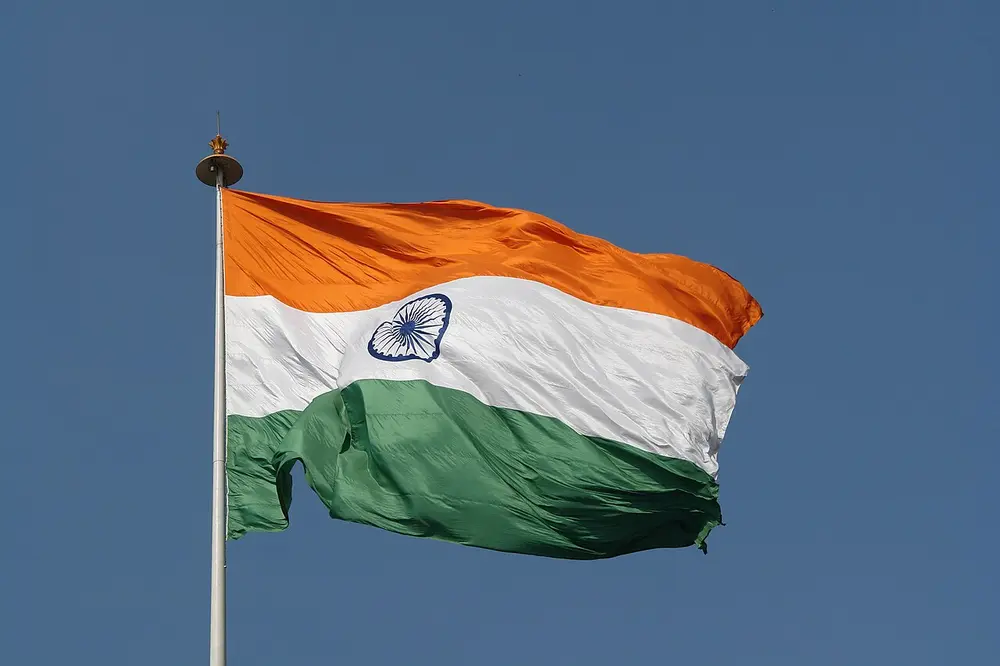
The Indian national flag, saffron, white and green with a navy blue wheel in the middle, flying from a tall white pole against a clear blue sky.
Picture: Yann Forget. CC BY-SA 4.0.

National flag

Also called The Tiranga (tricolour)

When
Adopted by the Constituent Assembly on 22 July 1947

Three equal stripes: saffron at the top, white in the middle and green at the bottom. In the centre of the white stripe is a navy blue wheel, the Ashoka Chakra, with 24 spokes, taken from the wheel on the Sarnath Lion Capital. The width of the flag to its length is 2:3, so a flag 2 metres high is 3 metres long.

Spot it by

Saffron always goes on top. The wheel is navy blue, not black, and sits only on the white stripe.

Remember

24 spokes, like the 24 hours of a day; ratio 2:3, so length to height is 3:2.
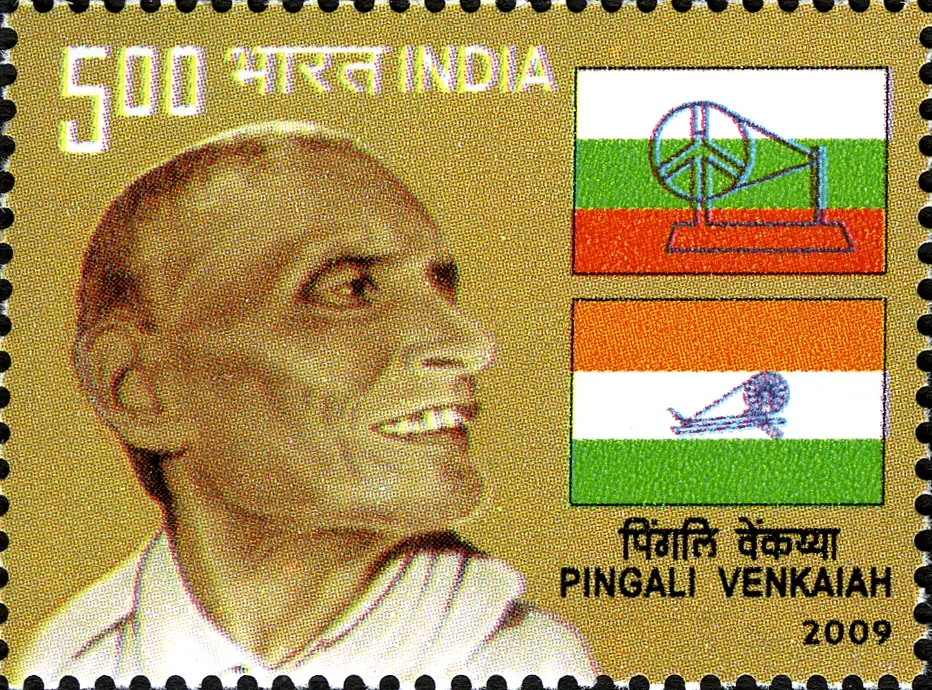
A 2009 Indian postage stamp showing Pingali Venkayya smiling, beside two early flags with a spinning wheel: one white, green and red, the other saffron, white and green.
Picture: India Post, Government of India. GODL-India.

Pingali Venkayya

Where
From Andhra Pradesh
When
1876 to 1963

A freedom fighter who showed Mahatma Gandhi a flag design at the Congress meeting in Vijayawada (then Bezwada) in 1921. Gandhi asked for changes, including a white stripe, and a spinning wheel (charkha) was placed in the middle. In 1947 the Constituent Assembly kept the three colours but swapped the charkha for the Ashoka Chakra. India Post honoured him with this stamp in 2009.

Remember

Pingali gave the colours in 1921; 1947 gave the wheel.

Don't confuse

The charkha flag is the freedom-movement flag; today's flag has the Ashoka Chakra.

Flag Code of India

When
2002; amended in December 2021 and July 2022

The Flag Code of India, 2002 sets the rules for flying and showing the flag, along with a 1971 law against insulting it. Until 2021 flags had to be hand-spun, hand-woven khadi. An amendment in December 2021 allowed machine-made flags and polyester, and one in July 2022 let people fly the flag at home by day and by night, for the Har Ghar Tiranga campaign of the 75th year of independence. These were the rules as of October 2026.

Remember

2002 code; 2021 polyester; 2022 day and night.

The anthem and the song

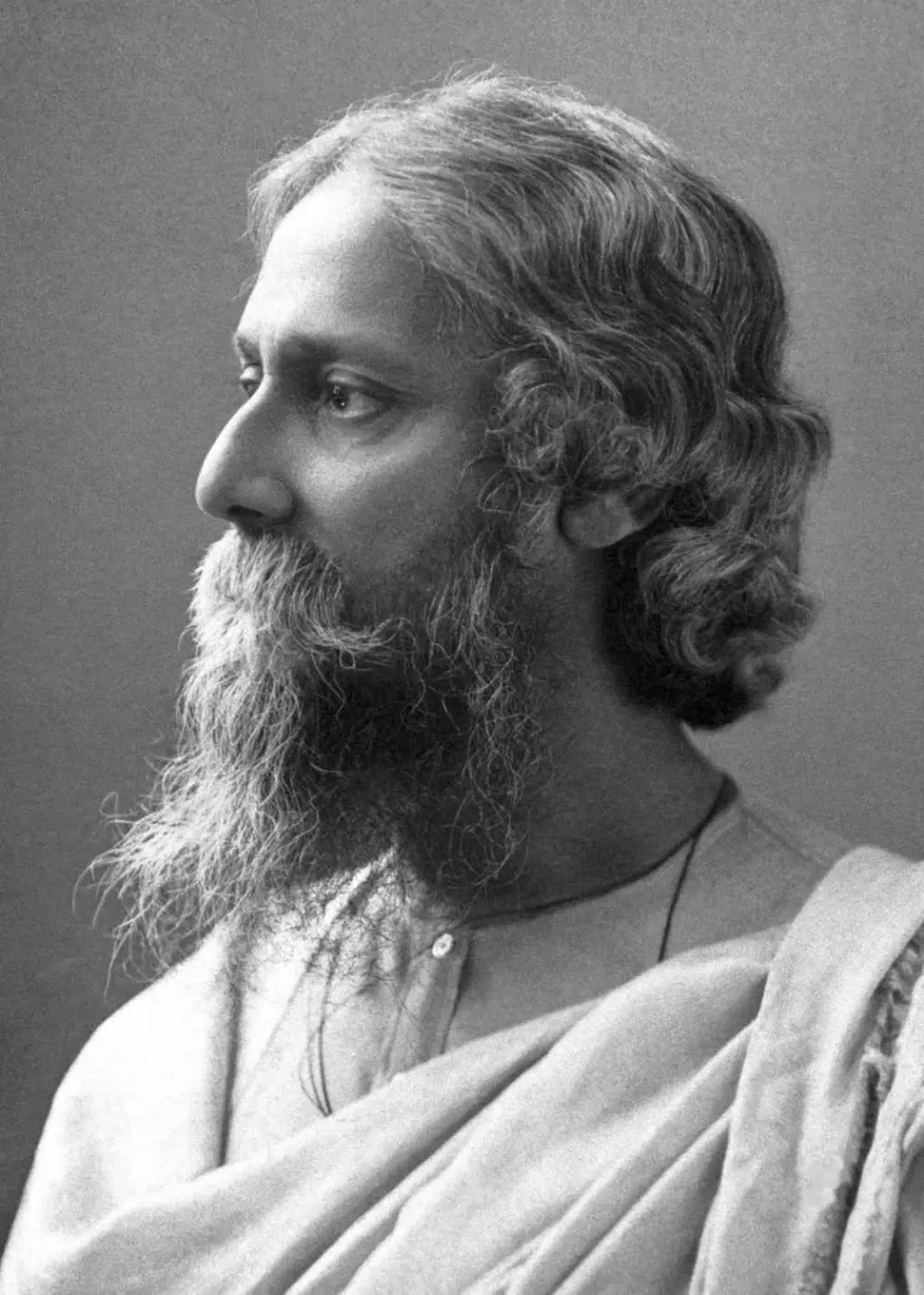
A black and white portrait of Rabindranath Tagore in profile, with long wavy grey hair and a full beard, wearing a shawl.
Picture: Generalstabens litografiska anstalt. Public domain.

Jana Gana Mana

Also called National anthem

When
Adopted on 24 January 1950; first sung on 27 December 1911
Who
Words and music by Rabindranath Tagore

The anthem is the first stanza of a longer song Tagore wrote in Bengali. It was first sung at the Calcutta session of the Indian National Congress in 1911, and the Constituent Assembly adopted it on 24 January 1950. The full anthem takes about 52 seconds; a short version of its first and last lines takes about 20 seconds. Tagore also wrote Bangladesh's national anthem, Amar Shonar Bangla.

Remember

Tagore wrote two countries' anthems: India's and Bangladesh's.

Don't confuse

Jana Gana Mana is the anthem (Tagore); Vande Mataram is the song (Bankim).
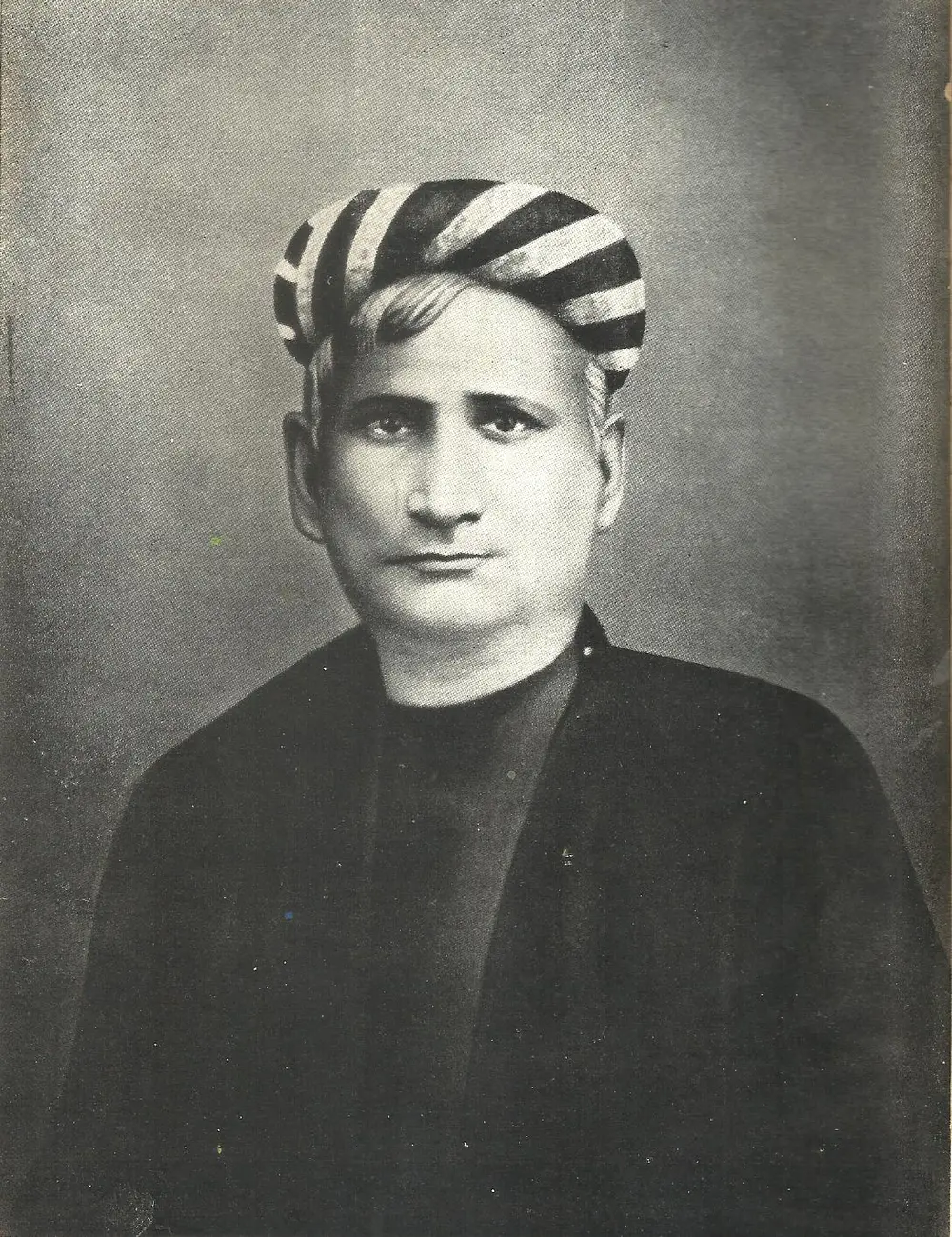
A black and white portrait of Bankim Chandra Chattopadhyay in a striped turban and a dark coat.
Picture: Unknown author. Public domain.

Vande Mataram

Also called National song

When
Published in 1882 in the novel Anandamath; adopted on 24 January 1950
Who
Bankim Chandra Chattopadhyay

A hymn to the motherland, written in Sanskrit and Bengali, which first appeared in Bankim's Bengali novel Anandamath (1882). It became the rallying cry of the freedom struggle, and it has equal status with the anthem. In January 2026, during the song's 150th-anniversary year, the Home Ministry ordered that all six stanzas (about 3 minutes 10 seconds) be sung at official events, before the anthem when both are performed.

Remember

Bankim, Anandamath, 1882: "Vande Mataram" means "Mother, I bow to you".

The calendar and the rupee

National calendar

Also called The Saka calendar

When
In official use since 22 March 1957

A solar calendar of 365 days that counts years in the Saka era, which began in 78 CE, so Saka years run 78 behind the Common Era (2026 is mostly Saka 1948). Its first month is Chaitra, and 1 Chaitra falls on 22 March (21 March in a leap year). The Gazette of India, All India Radio news and government calendars use it alongside the Gregorian calendar.

Remember

Saka starts in 78 CE; subtract 78.

Don't confuse

The Vikram Samvat, used in many festival calendars, is a different era, starting in 57 BCE.

The rupee symbol, chosen on 15 July 2010, joins the Devanagari ra with the Roman R; its story is in Design in India.

Animals, plants and the river

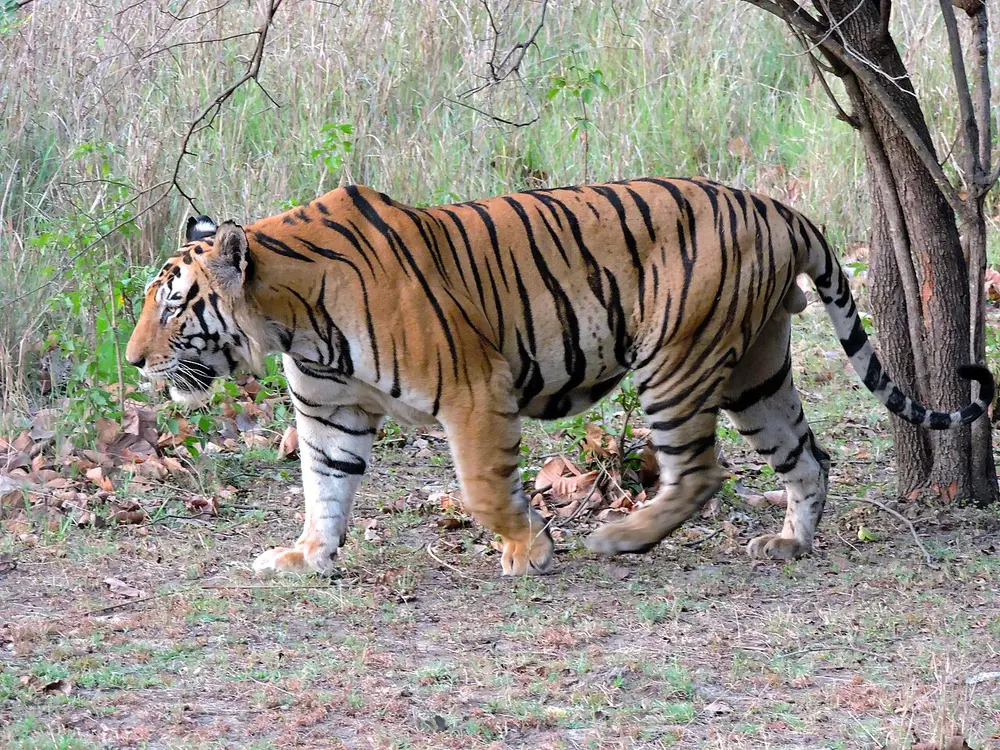
A Bengal tiger walking through dry grass and fallen leaves in a forest in Kanha National Park.
Picture: Seemaleena. CC BY-SA 4.0.

Tiger

Also called National animal

When
Chosen in the early 1970s; Project Tiger began in April 1973

The Bengal tiger (Panthera tigris) took the place of the lion as India's national animal, partly because tigers live across most of India while wild lions survive only in Gujarat. Their numbers had fallen so far that the government started Project Tiger in April 1973 to protect them in tiger reserves.

Remember

Tiger and Project Tiger arrived together in the early 1970s.
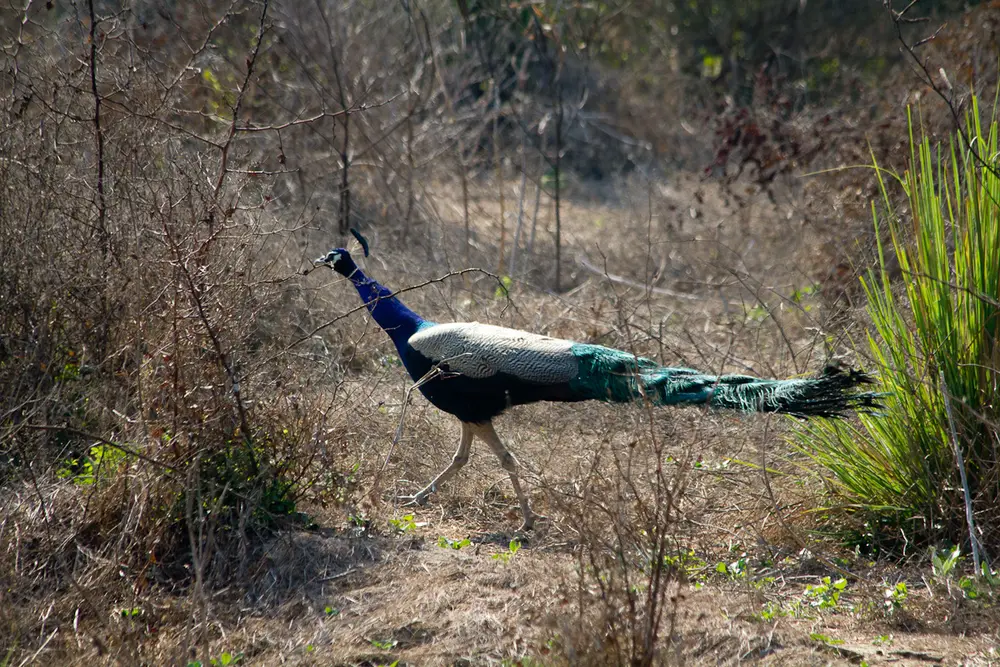
A male peacock with a bright blue neck and a long green train of tail feathers, walking through dry scrub in Keoladeo National Park, Rajasthan.
Picture: rachel dale from new york, ny. CC BY-SA 2.0.

Peacock

Also called National bird; Indian peafowl

When
Chosen in 1963

The Indian peafowl (Pavo cristatus) is native to the subcontinent. The male has a glossy blue neck, a fan-shaped crest and a train of about 200 long feathers with eye spots, which he spreads in his courtship dance; the female is brown and has no train. In 2011 the Environment Ministry formally notified the tiger as the national animal and the peacock as the national bird.

Remember

Peacock 1963: the bird that dances when the monsoon comes.
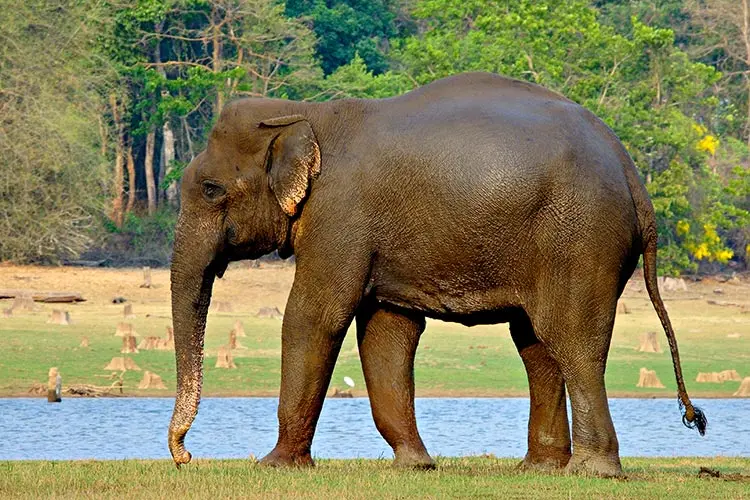
An Indian elephant with short tusks standing on grass beside a lake in Nagarhole National Park, Karnataka, with trees behind it.
Picture: Jayanand Govindaraj. CC BY-SA 2.0.

Indian elephant

Also called National heritage animal

When
Declared on 22 October 2010

The Environment Ministry declared the elephant India's national heritage animal in October 2010, on the advice of an Elephant Task Force. The aim was to give elephants the same protection effort that the tiger gets. India is home to most of the world's wild Asian elephants.

Remember

Heritage animal, 2010: the elephant, not the tiger.

Don't confuse

National animal is the tiger; national heritage animal is the elephant.
A pink-grey Ganges river dolphin with a long, thin beak rising out of calm grey river water.
Picture: Munshi Abul Barakat. CC BY 4.0.

Ganges river dolphin

Also called National aquatic animal

When
Declared on 5 October 2009; notified in May 2010

A freshwater dolphin of the Ganga and Brahmaputra river systems. It is almost blind and finds its food by echoes, and its long beak is lined with teeth. The Prime Minister announced it as the national aquatic animal at the first meeting of the National Ganga River Basin Authority in 2009, because a river with dolphins is a healthy river. It is an endangered species.

Remember

A river animal for the national river: the dolphin of the Ganga.
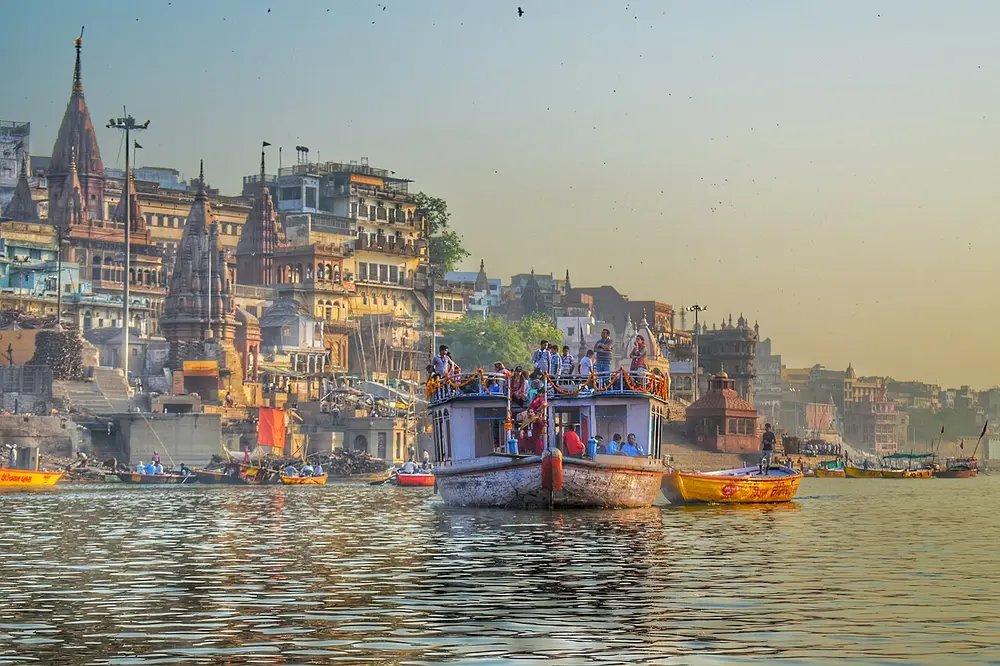
The Ganga at Dashashwamedh Ghat in Varanasi at dawn, with crowded boats on the water and old temples and houses along the steps of the riverbank.
Picture: Santosh Kumar Velamala. CC BY-SA 4.0.

Ganga

Also called National river

When
Declared on 4 November 2008

The Ganga was declared India's national river at a meeting chaired by Prime Minister Manmohan Singh in November 2008, which also set up an authority to clean it up. It rises in the Himalayas at the Gangotri glacier and flows across the northern plains to the Bay of Bengal, and hundreds of millions of people live in its basin.

Remember

Ganga 2008, its dolphin 2009: the river came first.
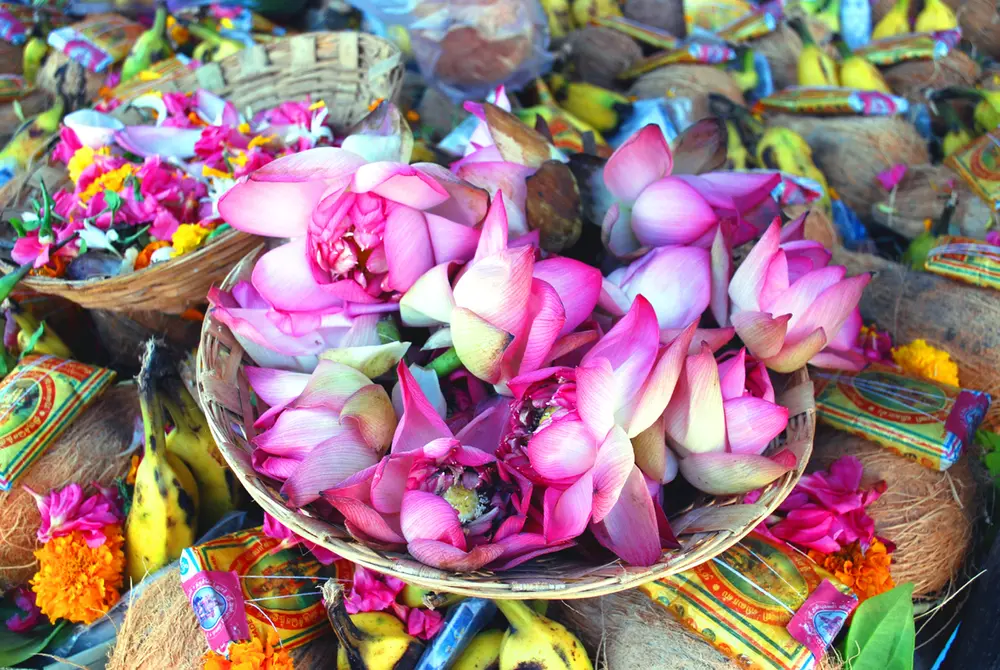
A basket of pink lotus flowers among coconuts, bananas and garlands for sale at a temple market in Madurai.
Picture: Thachan.makan. CC BY-SA 3.0.

Lotus

Also called Usually listed as the national flower

The lotus (Nelumbo nucifera) grows in muddy ponds yet flowers clean, so in Indian art and religion it stands for purity. It is the base of the Sarnath Lion Capital and appears on many coins and seals. Textbooks and exams call it the national flower, but in July 2019 the government told the Rajya Sabha that no notification has ever made it one.

Remember

If an exam asks for the national flower, the expected answer is the lotus; just know it was never notified.
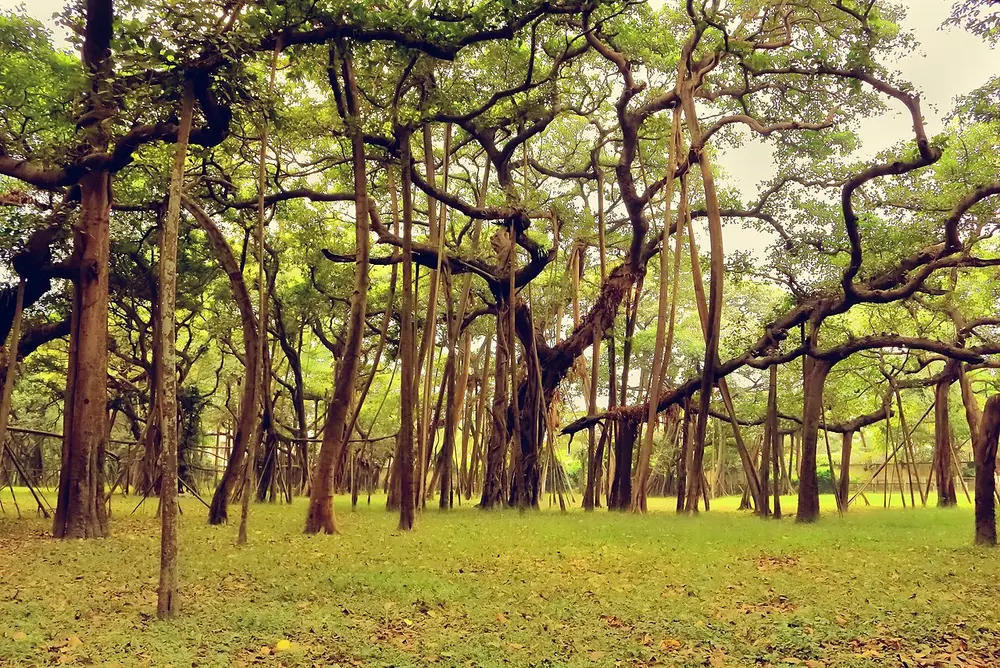
The Great Banyan in the botanical garden near Kolkata: a wide grove of trunks and arching branches over green grass, all part of one tree.
Picture: Rahul O R. CC BY-SA 4.0.

Banyan

Also called Usually listed as the national tree

The Indian banyan (Ficus benghalensis) drops roots from its branches that grow into new trunks, so one tree can spread into what looks like a forest. The Great Banyan in the Acharya Jagadish Chandra Bose Botanic Garden near Kolkata, shown here, is more than 250 years old. Like the lotus, it is on school lists but on no government notification.

Spot it by

Many trunks that are really hanging roots.

Remember

The banyan grows outwards like a family: many trunks, one tree.
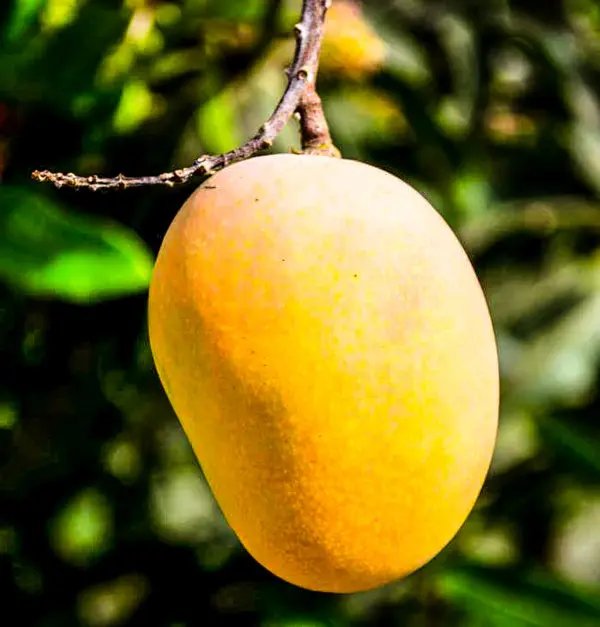
A ripe yellow-orange Alphonso mango hanging from a thin stalk against dark green leaves.
Picture: Savita Sawant. CC BY-SA 4.0.

Mango

Also called Usually listed as the national fruit

The mango (Mangifera indica) has been grown in India for thousands of years, and India grows more mangoes than any other country, in hundreds of varieties such as this Alphonso (hapus). It is listed as the national fruit in textbooks, but as with the lotus and the banyan, no government notification for it has been found.

Remember

Lotus, banyan, mango: flower, tree, fruit, and none of them notified.

Official or not?

Lists online mix real national symbols with popular beliefs. This is the position as of October 2026.

Symbol Name often given Status
Emblem, flag, anthem, song, calendar, rupee symbol As above Official, on the National Portal
National animal and bird Tiger, peacock Official, notified by the Environment Ministry
Heritage animal, aquatic animal, river Elephant, Ganges river dolphin, Ganga Declared by the government (2008 to 2010)
National flower, tree and fruit Lotus, banyan, mango On school lists; never notified
National game Hockey Not official: the Sports Ministry said in 2012 that no sport has been declared
National reptile King cobra Not official: no government list names one

Timeline

  1. 1882

    Vande Mataram is published in Bankim Chandra Chattopadhyay's novel Anandamath

  2. 1905

    The Lion Capital is found in the dig at Sarnath of 1904 to 1905

  3. 1911

    Jana Gana Mana is first sung, at the Calcutta session of the Congress (27 December)

  4. 1921

    Pingali Venkayya shows Gandhi his flag design at Vijayawada

  5. 1947

    The Constituent Assembly adopts the national flag (22 July)

  6. 1950

    The anthem and the song are adopted (24 January); the State Emblem is adopted (26 January)

  7. 1957

    The Saka calendar comes into official use (22 March)

  8. 1963

    The peacock is chosen as the national bird

  9. 1973

    Project Tiger begins, with the tiger as national animal (April)

  10. 2002

    The Flag Code of India comes into force

  11. 2005

    A law forbids improper use of the State Emblem

  12. 2008

    The Ganga is declared the national river (4 November)

  13. 2009

    The Ganges river dolphin is declared the national aquatic animal (5 October)

  14. 2010

    The rupee symbol is chosen (15 July); the elephant is declared the national heritage animal (22 October)

  15. 2012

    The Sports Ministry says India has no national game

  16. 2019

    The government tells the Rajya Sabha there is no notified national flower (10 July)

  17. 2021

    The Flag Code allows machine-made and polyester flags (December)

  18. 2026

    All six stanzas of Vande Mataram are ordered for official events (January)

Test yourself

Question 1 of 8

This sculpture in the Sarnath museum gave India its State Emblem. What is it carved from?

Question 2 of 8

What is the ratio of the length of the Indian national flag to its height?

Question 3 of 8

The man on this stamp designed the flag on which India's national flag is based. Who is he?

Question 4 of 8

Which of these is India's national heritage animal?

Question 5 of 8

Which of these animals was declared India's national aquatic animal in 2009?

Question 6 of 8

Where does the motto Satyameva Jayate, written under the State Emblem, come from?

Question 7 of 8

Which of these has never been officially declared a national symbol of India?

Question 8 of 8

The national calendar counts its years from the Saka era. In which year did that era begin?

From past papers

Real exam questions on this topic, each with a full solution.

Finished this note?

Mark it as studied to track your progress through the course.

Was this note useful?

Each picture is credited underneath it. Pictures of works still in copyright are shown small, for teaching only. If you hold the rights to a picture and want it removed, tell us through the contact page and we will take it down.