Skip to content

Chapter 4: Design history and designers

Design in India

The people and institutions behind modern Indian design, from the crafts revival after 1947 and the Eames India Report to NID, IDC, the rupee symbol and the fashion designers exams ask about.

In one minute

6 facts to know

  1. Kamaladevi Chattopadhyay led the crafts revival after independence: first chair of the All India Handicrafts Board (1952) and founder of the Crafts Council of India (1964).
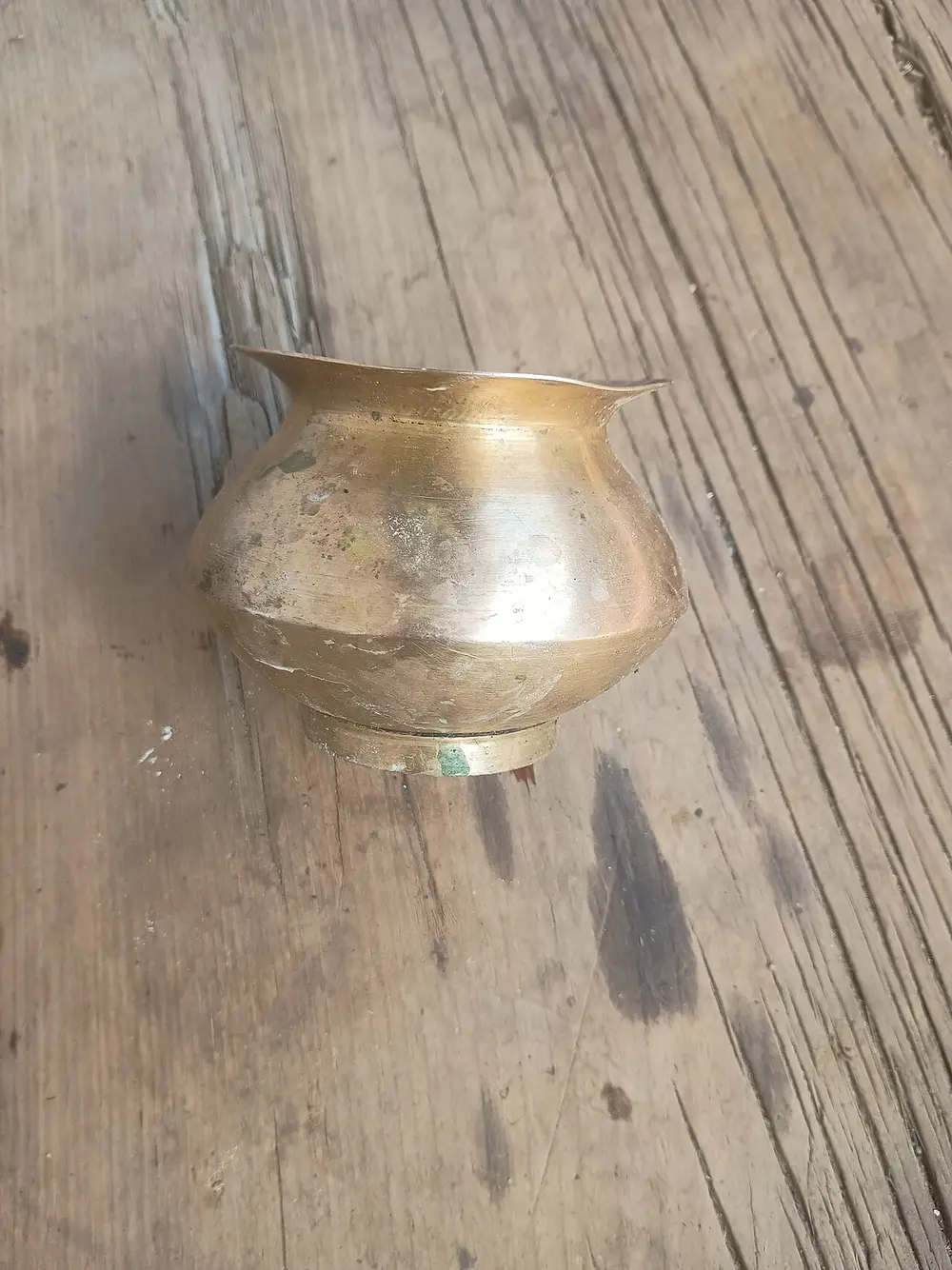
  2. Charles and Ray Eames wrote the India Report (April 1958) for the Government of India and praised the brass lota as a model of good design. UCEED 2025 asked exactly this.
  3. The India Report led to NID in Ahmedabad (1961), shaped by Gira and Gautam Sarabhai. IDC at IIT Bombay followed in 1969.
  4. D. Udaya Kumar, then a student at IDC, designed the rupee symbol, chosen on 15 July 2010. It joins the Devanagari letter ra and the Roman letter R.
  5. R.K. Joshi was India's leading calligrapher and type designer; Laila Tyabji co-founded Dastkar (1981) to link craftspeople with city buyers.
  6. The National Design Policy (2007) led to the India Design Council (2009), which awards the India Design Mark (since 2012).

Saving the crafts after 1947

When India became independent, millions of weavers, potters and metalworkers were losing work to factory goods. A small group of women made it national policy to keep these crafts alive and help craftspeople earn from them.

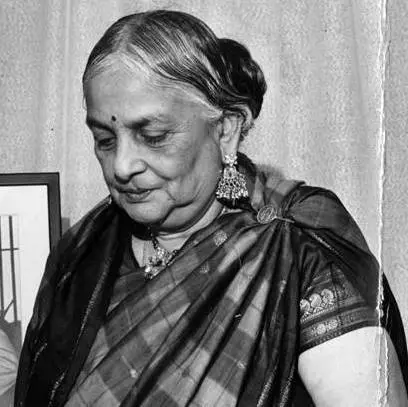
A black and white photograph of an elderly Kamaladevi Chattopadhyay in a checked sari and earrings, looking down.
Picture: Unknown author. Public domain.

Kamaladevi Chattopadhyay

Where
Born in Mangaluru, Karnataka
When
1903 to 1988
Who
Freedom fighter, social reformer and crafts campaigner

A Gandhian freedom fighter who, after independence, gave her life to India's craftspeople. She was the first chair of the All India Handicrafts Board, set up in 1952 to advise the government on crafts, and in 1964 she founded the Crafts Council of India, a voluntary group that still works for artisans. She also helped start the World Crafts Council. She received the Ramon Magsaysay Award (1966) and the Padma Vibhushan (1987).

Remember

Kamaladevi is the "mother" of India's crafts revival: Handicrafts Board 1952, Crafts Council 1964.

Don't confuse

Pupul Jayakar worked alongside her, but is best known for taking Indian arts abroad through the Festival of India.
Pupul Jayakar

When
1915 to 1997
Who
Writer and cultural organiser; cultural adviser to Indira Gandhi

Jayakar spent decades reviving handlooms, village arts and crafts, and ran the government's handloom and handicrafts bodies. She is best remembered for the Festival of India: she chaired the Indian committee for the festival in Britain in 1982, a months-long show of Indian art, craft and performance, and festivals followed in France and the United States (1985 to 1986).

Remember

Pupul took India's crafts to the world; Kamaladevi organised them at home.
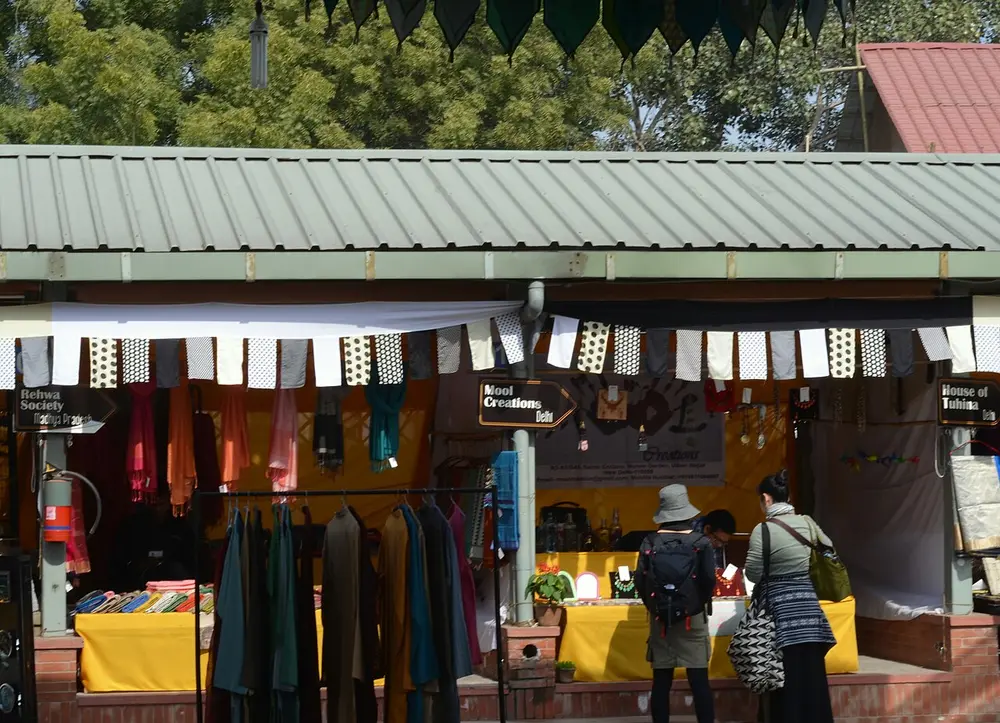
Craft stalls at a Dastkar bazaar in Delhi, with scarves, shawls and printed fabrics hanging under a tin roof and shoppers browsing.
Picture: Ekabhishek. CC BY-SA 3.0.

Laila Tyabji and Dastkar

Where
New Delhi
When
Dastkar founded in 1981
Who
Laila Tyabji (born 1947) and five other women

Laila Tyabji is a designer and craft activist. In 1981 she and five other women started Dastkar, a non-profit that helps craftspeople with design, product ideas and business training. Its bazaars let artisans sell straight to city buyers instead of through middlemen. She received the Padma Shri in 2012.

Spot it by

In exam photos, Dastkar means a craft bazaar, not a museum or a school.

Remember

Dastkar, 1981: the bazaar where the maker meets the buyer.

How design schools began

A small, round brass lota with a flared rim, standing on a weathered wooden table.
Picture: Rajani Gairshail. CC BY-SA 4.0.

The India Report

When
April 1958
Who
Charles and Ray Eames, American designers, for the Government of India

The Government of India invited Charles and Ray Eames, the husband-and-wife designers famous for their chairs, to tour India and advise on design. Their report, handed over in April 1958, asked for an institute for design training, research and service, and that institute became NID. In it they hold up the plain brass lota as perhaps the finest object they saw in India: a shape refined by many people over generations, balancing how it is filled, carried, poured and cleaned.

Remember

The question "which consultants to the Government of India praised the lota?" has two answers: Charles Eames and Ray Eames.

Don't confuse

Le Corbusier and Louis Kahn designed buildings in India; the India Report was the Eameses' work.
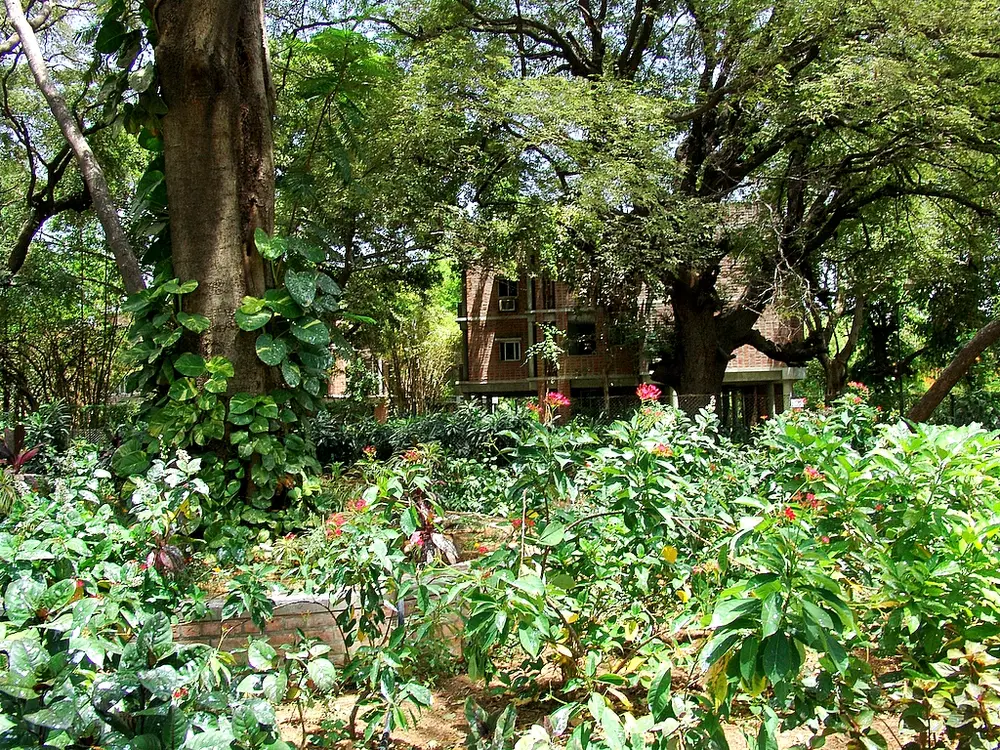
A red-brick building of the NID campus in Ahmedabad, half hidden behind large old trees and flowering bushes.
Picture: Saad Akhtar from New Delhi, India. CC BY 2.0.

National Institute of Design (NID)

Where
Ahmedabad, Gujarat
When
Founded in 1961
Who
Set up by the Government of India, with the Sarabhai family

India's first national design school, set up in 1961 on the advice of the India Report. It works under the Ministry of Commerce and Industry, and the National Institute of Design Act, 2014 made it an Institute of National Importance. As of October 2026 there are also NIDs in Kurukshetra, Vijayawada (Amaravati), Jorhat and Bhopal. Students get in through the NID Design Aptitude Test (DAT).

Remember

India Report 1958, NID 1961: three years from report to school.
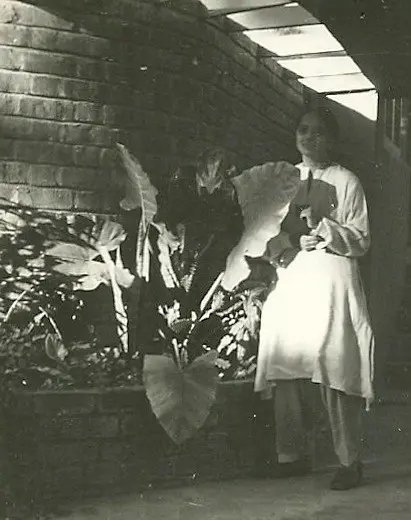
A black and white photograph from 1951 of Gira Sarabhai in a white kurta, standing beside large-leaved plants and a curved brick wall.
Picture: Nathan Hughes Hamilton. CC BY 2.0.

Gira and Gautam Sarabhai

Where
Ahmedabad
When
Gira 1923 to 2021; Gautam 1917 to 1995
Who
Brother and sister from the Sarabhai family, owners of the Calico Mills

Gautam ran the family's Calico Mills; Gira trained as an architect and designer. Together they played the leading part in setting up NID and planning what its first students would learn, and they founded the Calico Museum of Textiles. Their brother Vikram Sarabhai, born between them in 1919, led India's space programme.

Remember

One family, two firsts: Vikram for space, Gira and Gautam for design.
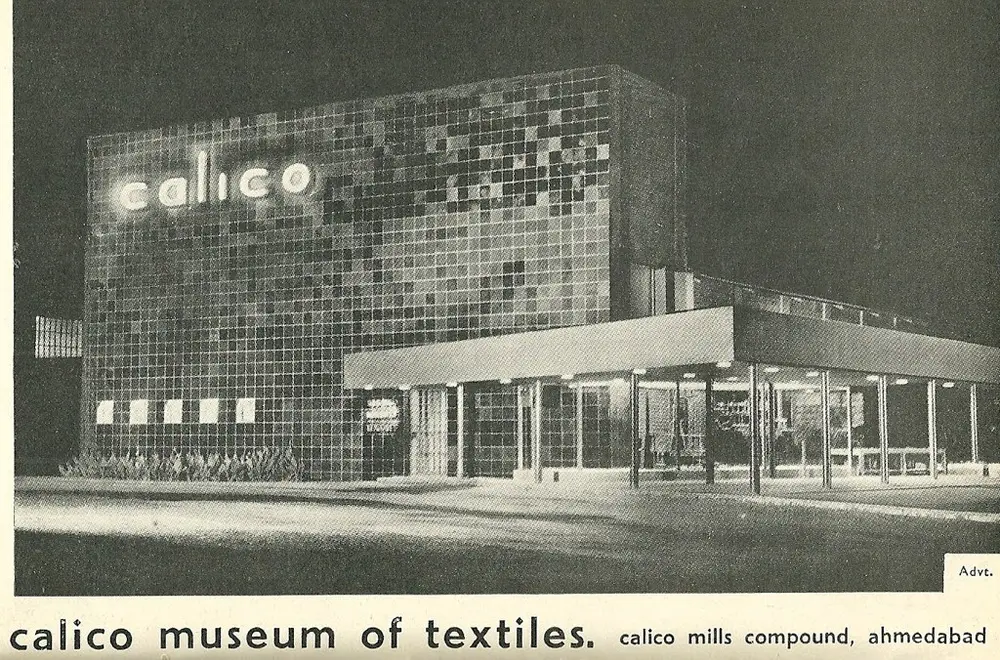
A 1952 black and white photograph of the original Calico Museum building, a block covered in square tiles with the word calico lit up, and a flat-roofed glass porch.
Picture: Nathan Hughes Hamilton. CC BY 2.0.

Calico Museum of Textiles

Where
Shahibaug, Ahmedabad
When
Founded in 1949
Who
Gautam and Gira Sarabhai; now run by the Sarabhai Foundation

India's best-known textile museum, with historic Indian textiles from royal courts to village embroidery. The idea came from the art historian Ananda Coomaraswamy. It began inside the Calico Mills (the building in this 1952 picture) and moved to the Sarabhai family house in Shahibaug in 1983.

Remember

Calico is a cotton cloth, and Ahmedabad was a mill city: a textile museum for a textile town.
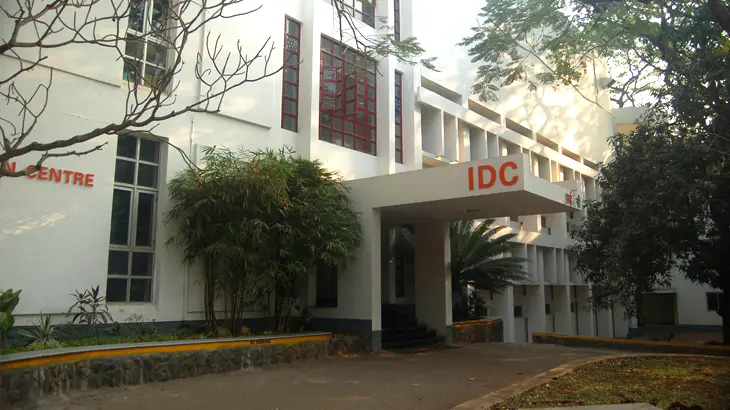
The white IDC building at IIT Bombay, with large red letters IDC on the porch above the entrance, behind trees.
Picture: Admin IDC. CC BY-SA 4.0.

IDC School of Design, IIT Bombay

Also called Industrial Design Centre (IDC)

Where
Powai, Mumbai
When
Set up in 1969

One of India's oldest design schools, set up in 1969 inside IIT Bombay. It began with a postgraduate course in industrial design and now teaches the B.Des, M.Des and PhD in fields such as industrial design, communication design, animation and vehicle design. R.K. Joshi taught here, and the rupee symbol's designer studied here.

Remember

IIT Bombay runs UCEED and CEED, the exams for IDC's B.Des and M.Des.

Don't confuse

NID (1961, Ahmedabad) is older and stands on its own; IDC (1969, Mumbai) is part of an IIT.

Letters and symbols

R.K. Joshi

Also called Raghunath Krishna Joshi

When
1936 to 2008
Who
Calligrapher, type designer and teacher

Joshi spent his life on the shapes of Indian scripts. He designed logos using Indian letters, among them the Punjab National Bank symbol, built from the Gurmukhi letter pa around a circle. He taught calligraphy, type design and typography at IDC, IIT Bombay, from 1983 to 1996, and designed the core Indian-language fonts used in Microsoft Windows.

Spot it by

A logo made from an Indian letter, like the PNB symbol, is a classic Joshi question (UCEED 2015).

Remember

Joshi made Indian scripts look good on screen as well as on paper.
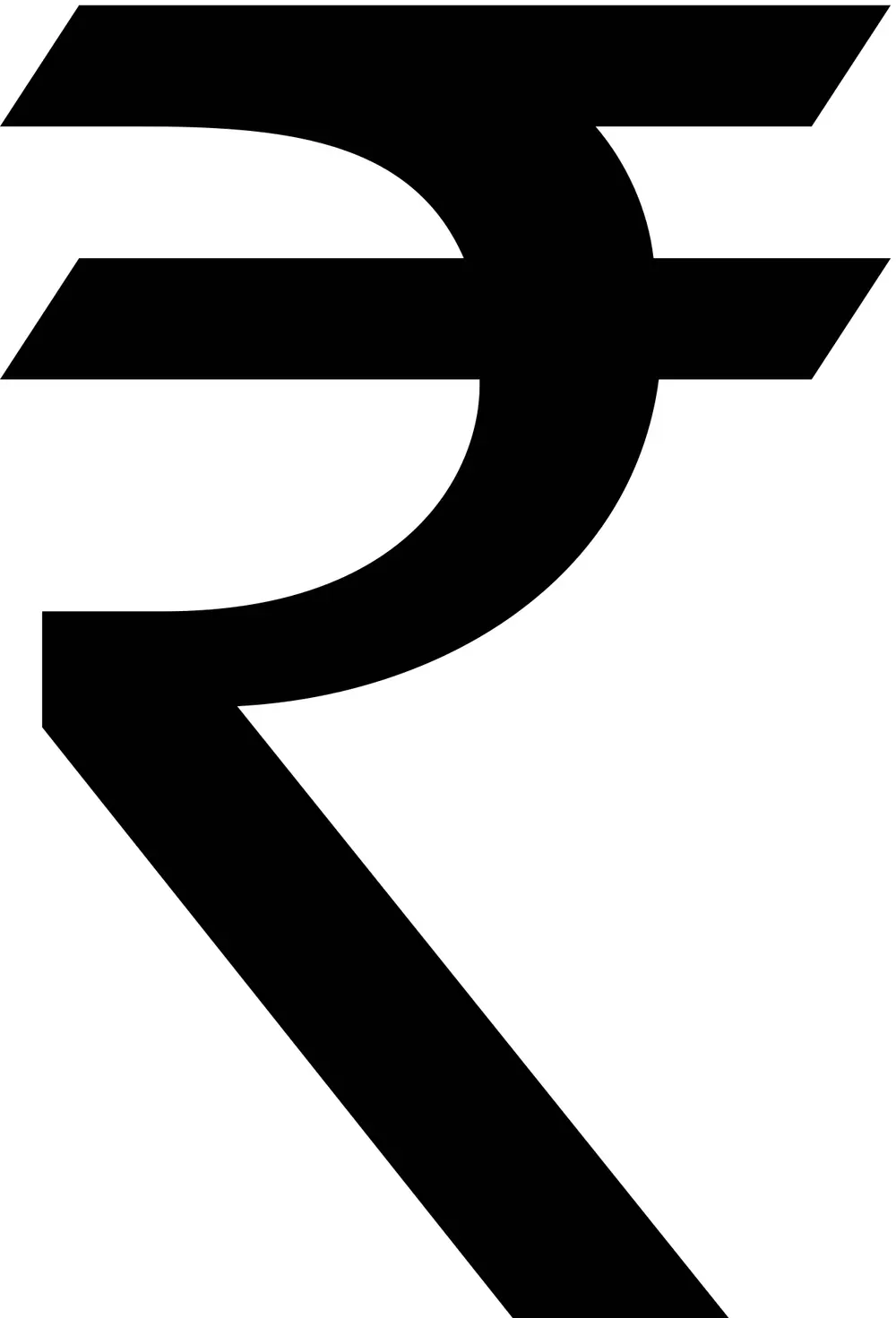
The Indian rupee symbol in black: an R shape without its upright stroke, with two horizontal lines across the top.
Picture: Original by D. Udaya Kumar, vector by Orionist. Public domain.

The rupee symbol

Also called Designed by D. Udaya Kumar

When
Chosen on 15 July 2010
Who
D. Udaya Kumar, then a postgraduate student at IDC, IIT Bombay

The government held an open competition, and Udaya Kumar's entry was picked from five finalists. The symbol joins the Devanagari letter र (ra) with the Roman capital R without its upright stroke. The top line comes from the headline (shirorekha) of Devanagari, and the two parallel lines recall the Indian flag and an equals sign. Kumar went on to teach design at IIT Guwahati.

Spot it by

Two horizontal lines at the top, then a curve and a diagonal leg.

Remember

Ra plus R, with two lines on top: the rupee speaks Hindi and English at once.

Design policy and the India Design Mark

India Design Council and the India Design Mark

When
Policy 2007; council 2009; Design Mark from 2012
Who
Government of India, Ministry of Commerce and Industry

In 2007 India adopted a National Design Policy to promote design as a part of industry. It led to the India Design Council, announced in 2009. In 2012 the council began the India Design Mark (often called the I Mark), with help from the Japan Institute of Design Promotion. It is a mark of good design given to products that pass a jury, rather than a contest with one winner.

Remember

Policy 2007, Council 2009, Mark 2012.

Fashion designers to know

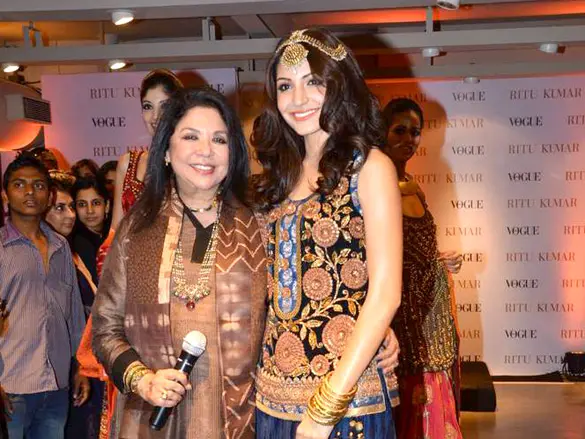
The designer Ritu Kumar, on the left in a brown printed outfit and holding a microphone, beside the actor Anushka Sharma at a store launch.
Picture: Bollywood Hungama. CC BY 3.0.

Ritu Kumar

Where
Began near Kolkata
When
Born 1944; started her label in 1969

One of the first Indian fashion designers, she started in 1969 with a few hand block printers and two printing tables near Kolkata. Her clothes are built on natural fabrics and India's traditional printing and weaving, and she helped make them fashionable again. She received the Padma Shri in 2013.

Remember

Ritu Kumar is where Indian fashion started: hand block prints, 1969.
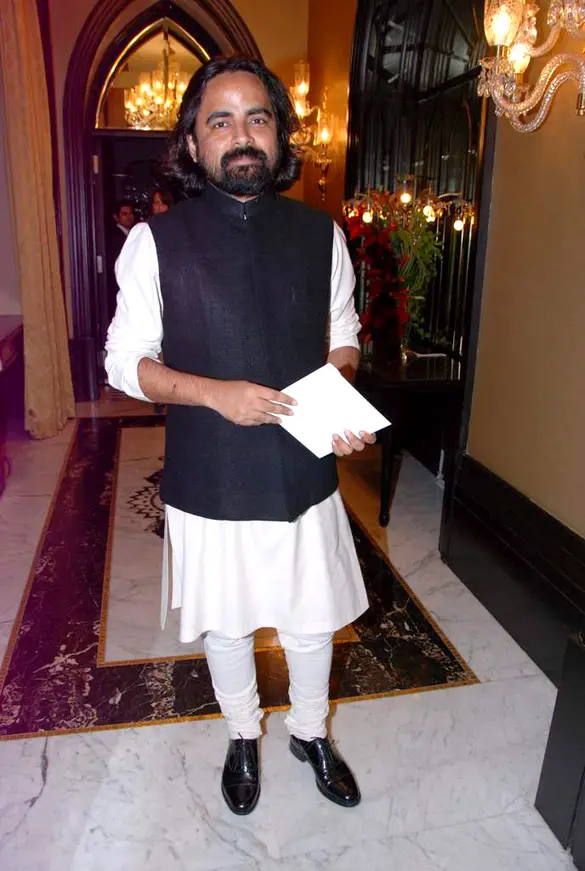
The designer Sabyasachi Mukherjee standing in a hotel lobby in a white kurta and a black sleeveless jacket.
Picture: Bollywood Hungama. CC BY 3.0.

Sabyasachi Mukherjee

Where
Kolkata
When
Label started in 1999

He graduated from NIFT Kolkata in 1999 and started his label the same year. He is best known for Indian bridal wear, and his brand's emblem is a Bengal tiger.

Remember

Sabyasachi, the tiger from Kolkata.
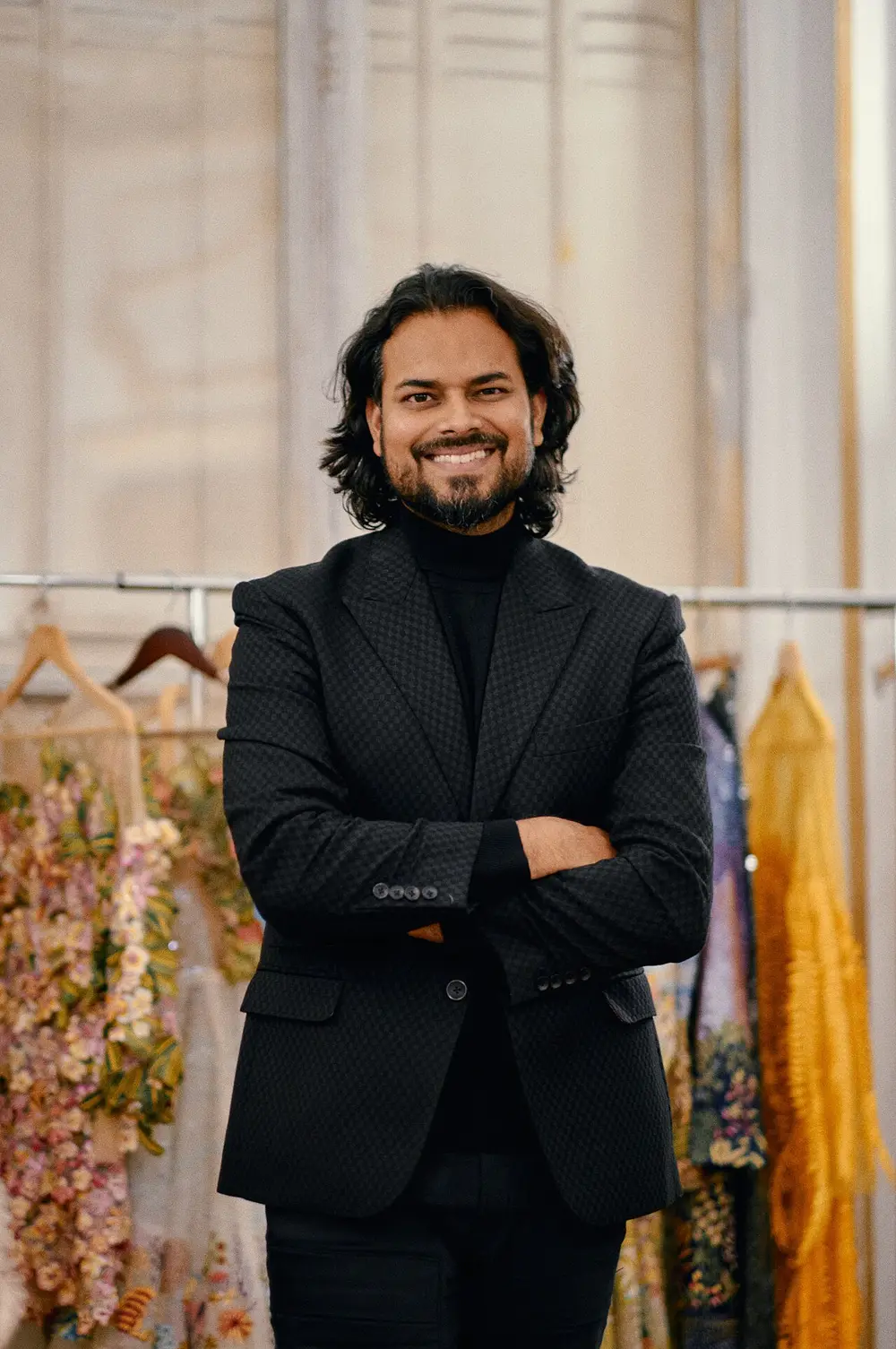
The designer Rahul Mishra smiling, arms folded, in a black jacket, in front of rails of embroidered dresses.
Picture: Shuchisingh. CC BY-SA 4.0.

Rahul Mishra

When
Woolmark Prize 2014; Paris Haute Couture Week 2020

In 2014 he became the first Indian to win the International Woolmark Prize, at Milan Fashion Week. In 2020 he was the first Indian designer invited to show on the official schedule of Haute Couture Week in Paris. His clothes are known for their hand embroidery.

Remember

Two firsts for Rahul: Woolmark 2014, Paris couture 2020.

Who did what

Person Remember them for
Kamaladevi Chattopadhyay All India Handicrafts Board (1952), Crafts Council of India (1964)
Pupul Jayakar Festival of India (Britain 1982, then France and the USA)
Charles and Ray Eames The India Report (1958) and the lota
Gira and Gautam Sarabhai NID (1961), Calico Museum of Textiles (1949)
R.K. Joshi Calligraphy, Indian type design, the PNB logo
D. Udaya Kumar The rupee symbol (2010)
Laila Tyabji Dastkar (1981)
Ritu Kumar, Sabyasachi Mukherjee, Rahul Mishra Indian fashion

Timeline

  1. 1949

    Gautam and Gira Sarabhai found the Calico Museum of Textiles in Ahmedabad

  2. 1952

    The All India Handicrafts Board is set up, with Kamaladevi Chattopadhyay as its first chair

  3. 1958

    Charles and Ray Eames hand over the India Report (April)

  4. 1961

    NID is founded in Ahmedabad

  5. 1964

    Kamaladevi Chattopadhyay founds the Crafts Council of India

  6. 1969

    IDC is set up at IIT Bombay; Ritu Kumar starts her label near Kolkata

  7. 1981

    Laila Tyabji and five other women found Dastkar in Delhi

  8. 1982

    The Festival of India is held in Britain

  9. 1999

    Sabyasachi Mukherjee starts his label

  10. 2007

    India adopts a National Design Policy

  11. 2009

    The India Design Council is announced

  12. 2010

    D. Udaya Kumar's rupee symbol is chosen (15 July)

  13. 2012

    The India Design Mark begins

  14. 2014

    The NID Act makes NID an Institute of National Importance; Rahul Mishra wins the International Woolmark Prize

Test yourself

Question 1 of 8

Which consultants to the Government of India held up this vessel, the lota, as a model of good design?

Question 2 of 8

Which institute grew directly out of the India Report?

Question 3 of 8

Which picture shows the design school set up at IIT Bombay in 1969?

Question 4 of 8

Which two letters does the rupee symbol combine?

Question 5 of 8

She was the first chair of the All India Handicrafts Board and founded the Crafts Council of India. Who is she?

Question 6 of 8

Dastkar, the organisation behind bazaars like this one, works mainly to

Question 7 of 8

Who was the first Indian to win the International Woolmark Prize, in 2014?

Question 8 of 8

R.K. Joshi is best remembered for

From past papers

Real exam questions on this topic, each with a full solution.

Finished this note?

Mark it as studied to track your progress through the course.

Was this note useful?

Each picture is credited underneath it. Pictures of works still in copyright are shown small, for teaching only. If you hold the rights to a picture and want it removed, tell us through the contact page and we will take it down.