What changed after the Renaissance
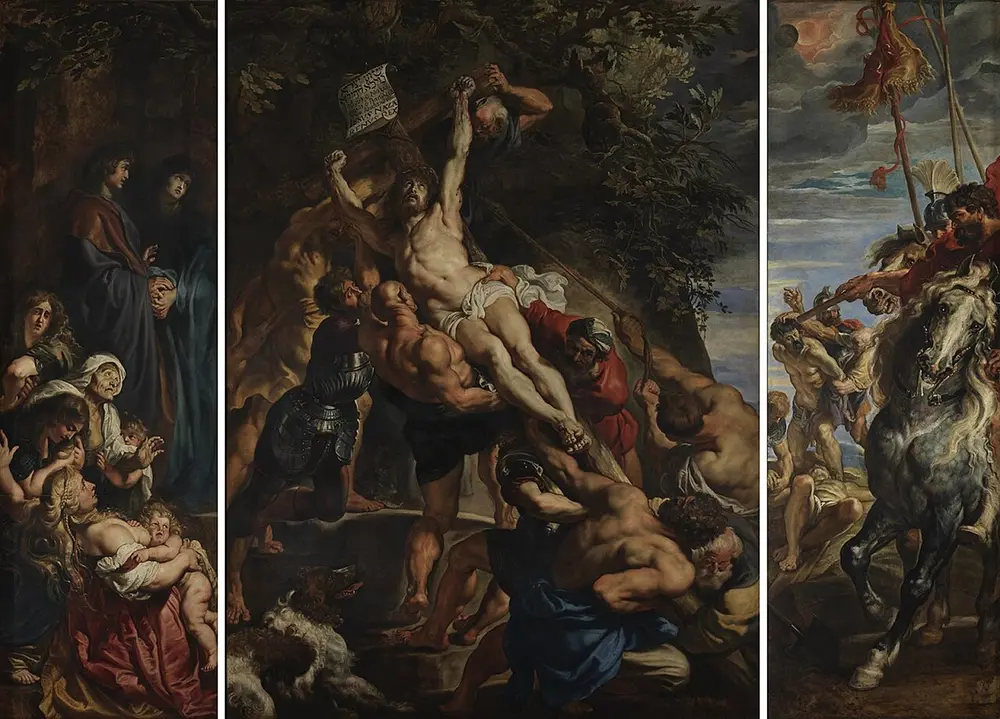
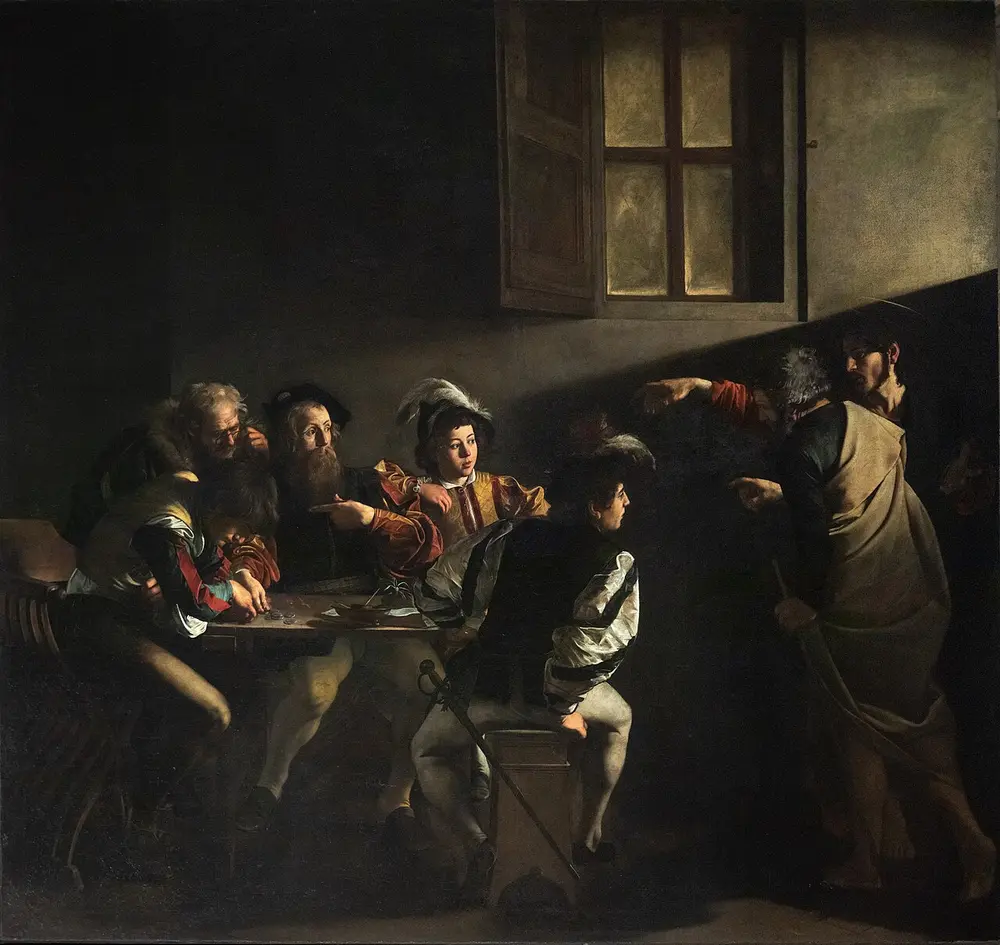
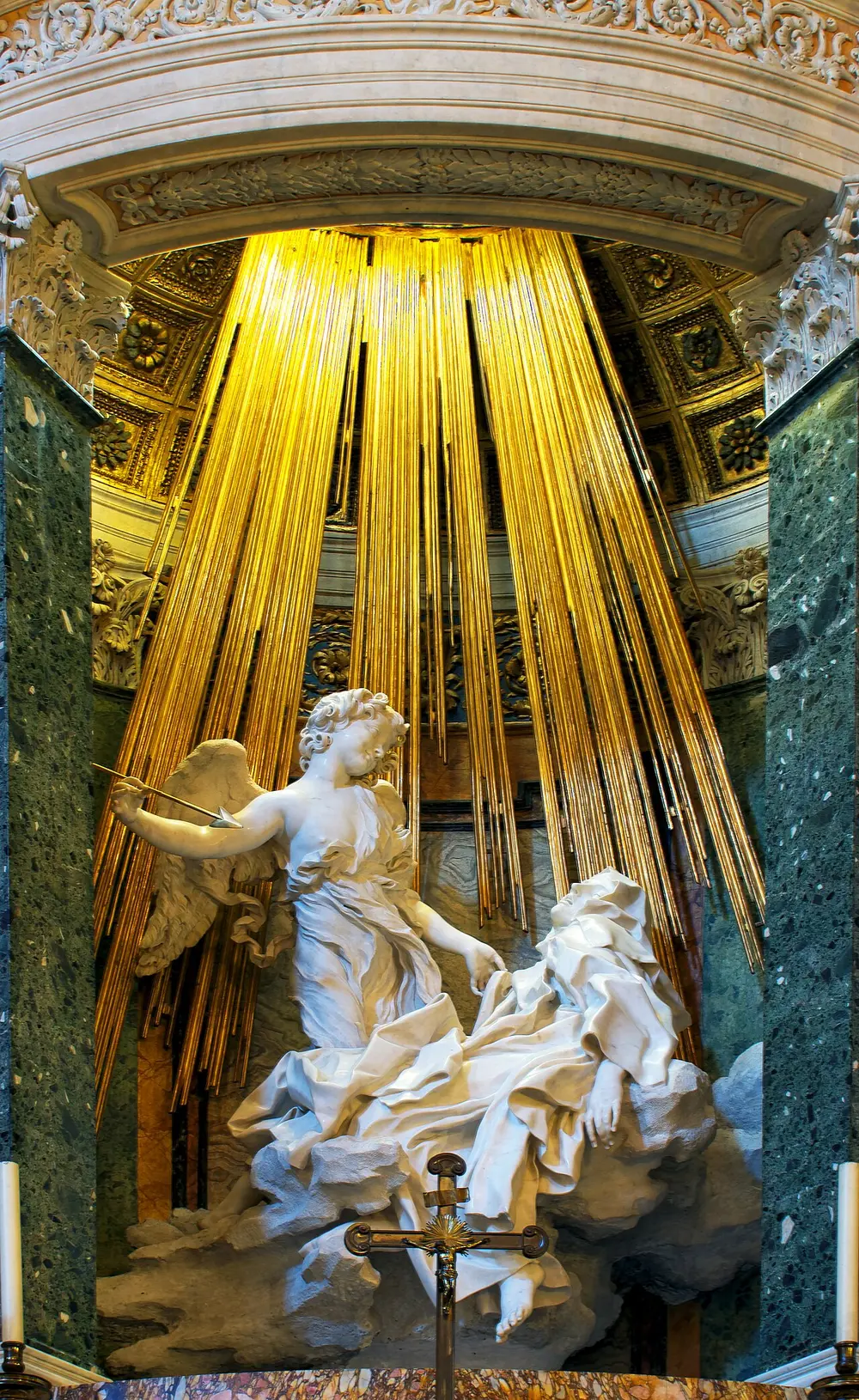
Renaissance art, before 1600, is calm and balanced. Figures stand still, the light is even, and everything sits in its place. Around 1600, artists in Rome began to want something louder. They painted the most dramatic moment of a story, used strong beams of light against deep darkness, and made bodies twist and push out towards the viewer. This style is called Baroque. The word probably comes from the Portuguese barroco, an oddly shaped pearl, and was first used as an insult.
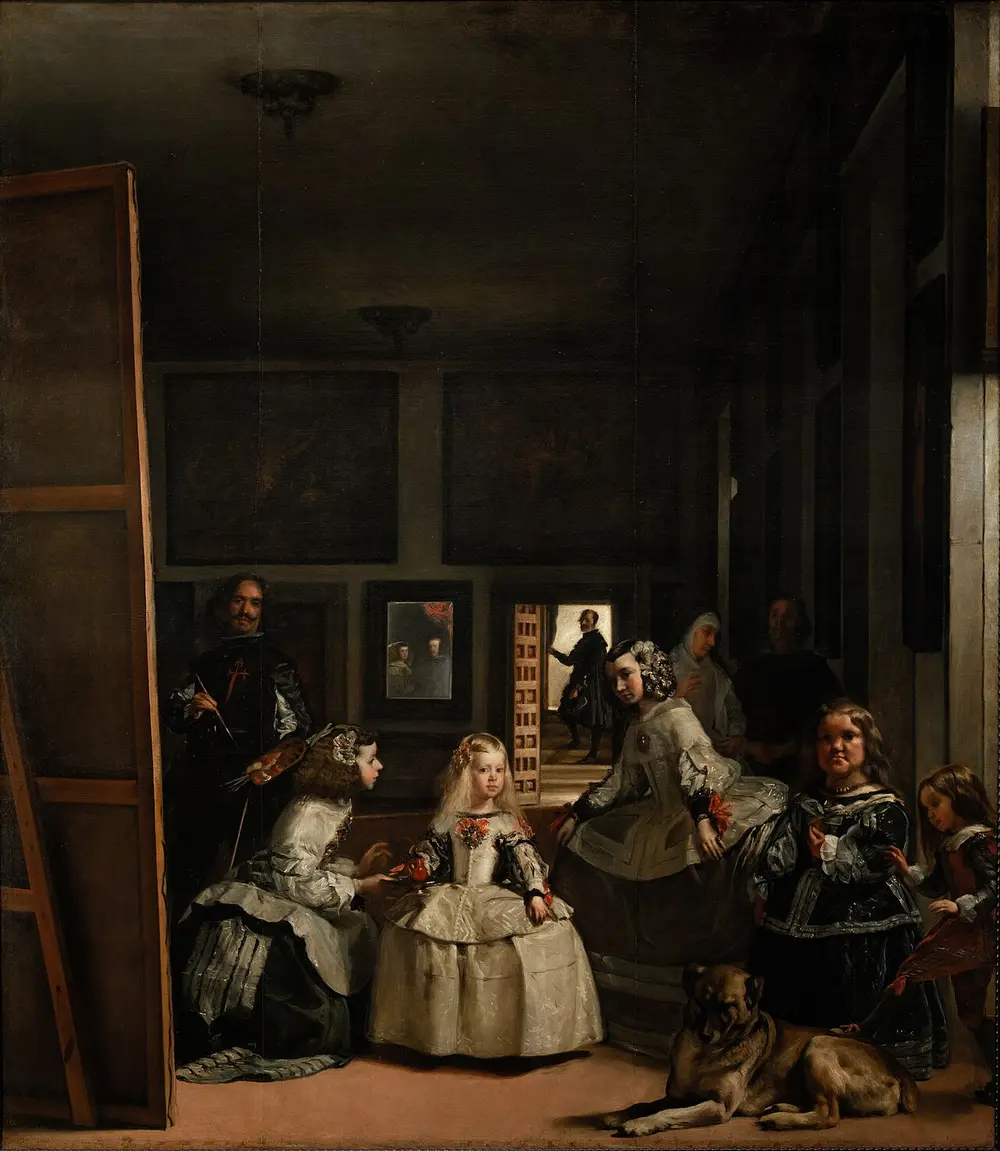
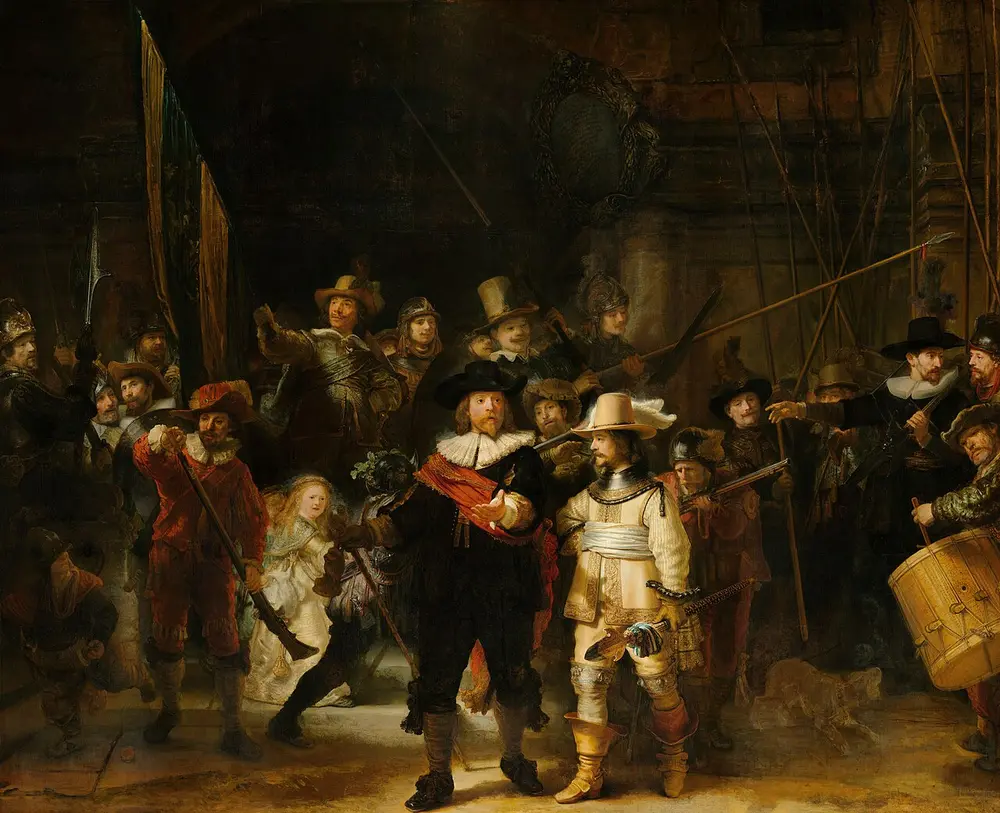
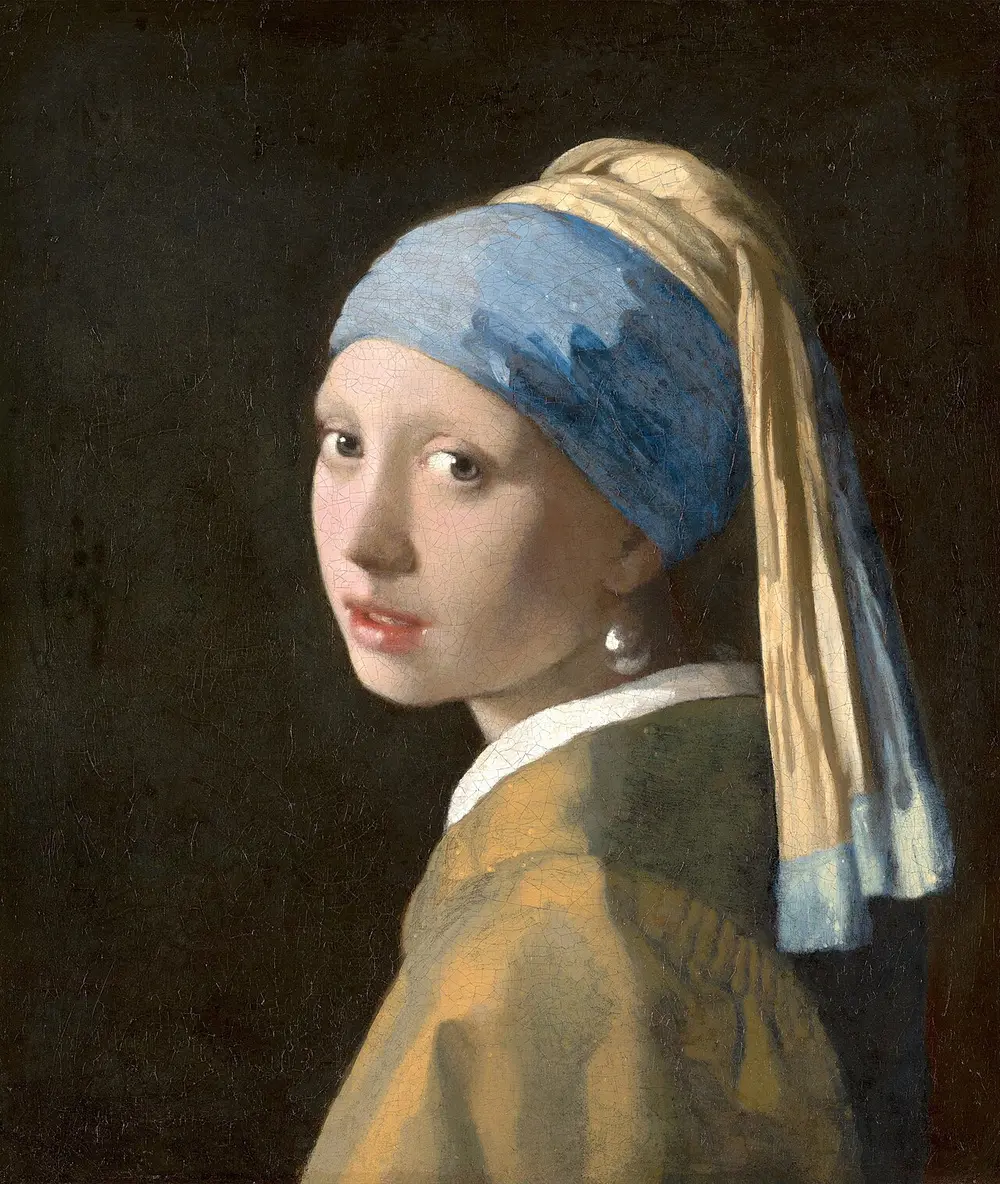
The Catholic Church used Baroque art to move and impress ordinary people, so it spread through Italy, Spain and Flanders (today's Belgium). In the Protestant Netherlands, painters such as Rembrandt and Vermeer worked for merchants instead, and painted portraits, homes and everyday life. This is called the Dutch Golden Age, and it is counted as part of the Baroque period.
After about 1760, artists grew tired of the frills of late Baroque and turned back to ancient Greece and Rome, in a style called Neoclassicism. Then, from about 1800, Romanticism pushed the other way, towards strong feeling, storms, mountains and revolutions.
Rome: drama in paint and marble
Neoclassicism: back to Greece and Rome
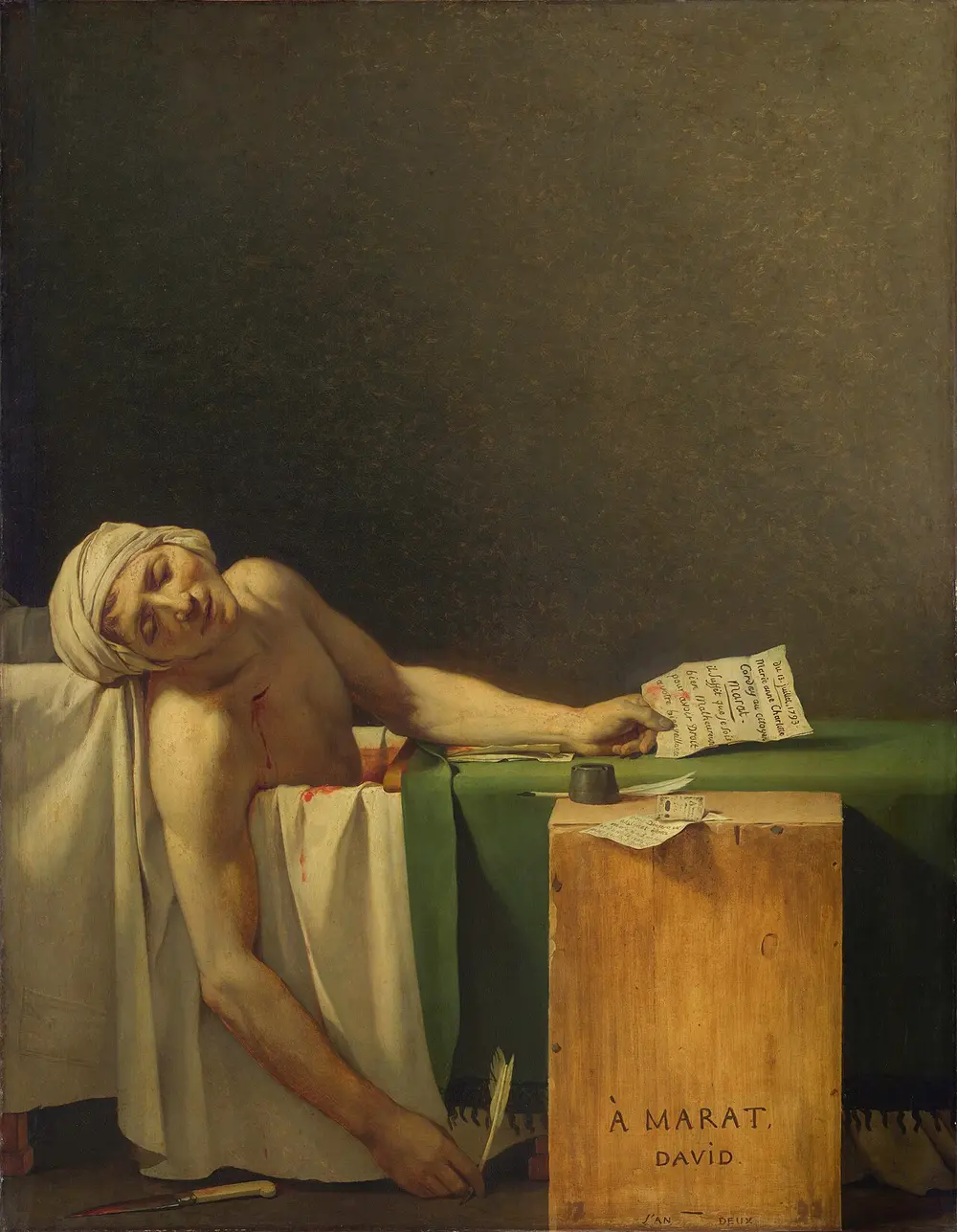
In the mid-1700s, excavations at the buried Roman towns of Pompeii and Herculaneum made ancient art fashionable again. Painters wanted art to be serious, clear and moral, like Greek and Roman sculpture. Neoclassical paintings have sharp outlines, calm poses, plain backgrounds and figures lit like statues.
Romanticism: feeling first
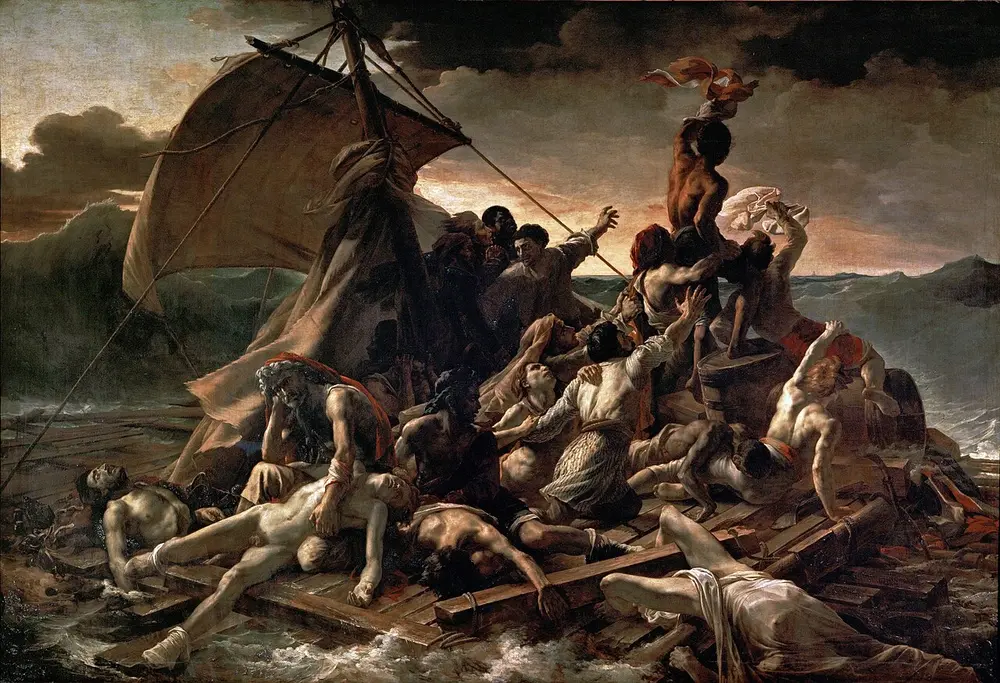
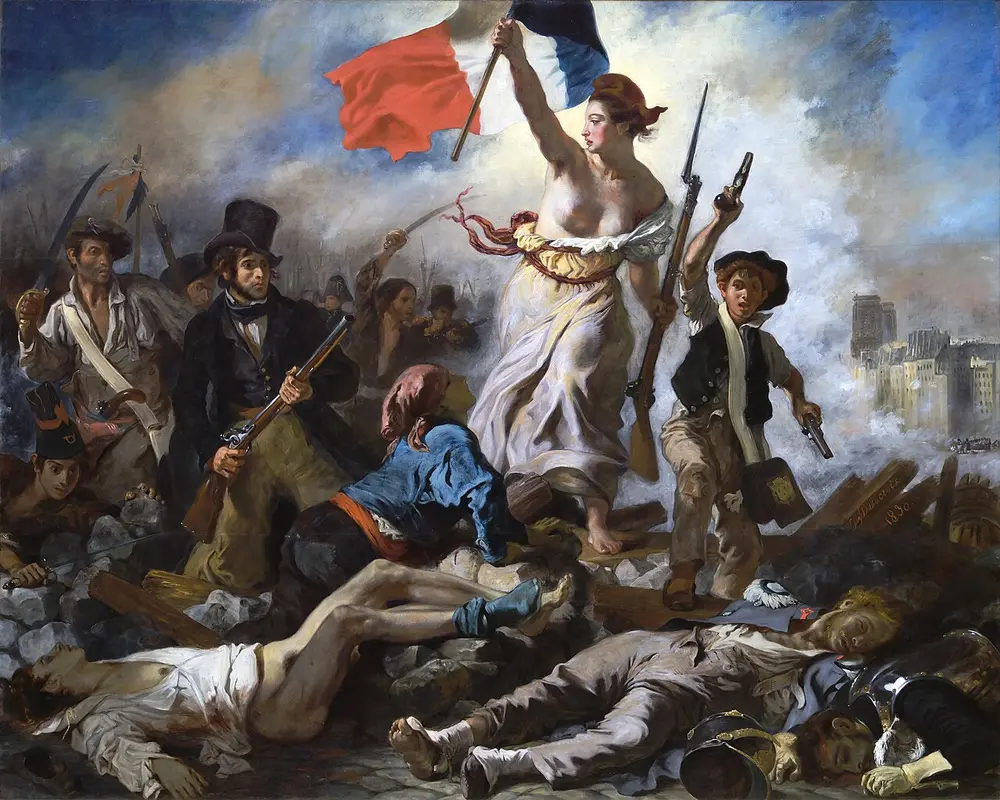
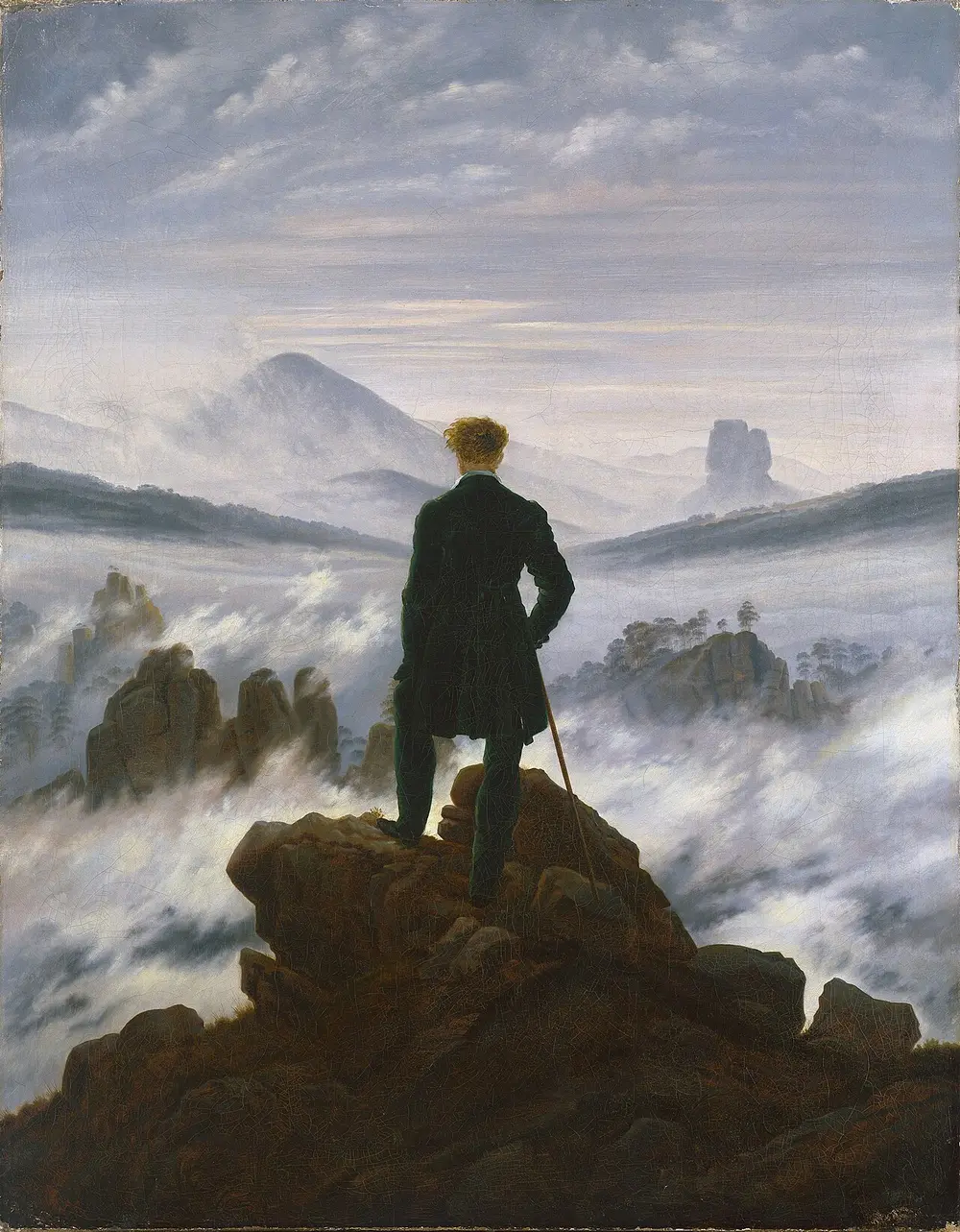
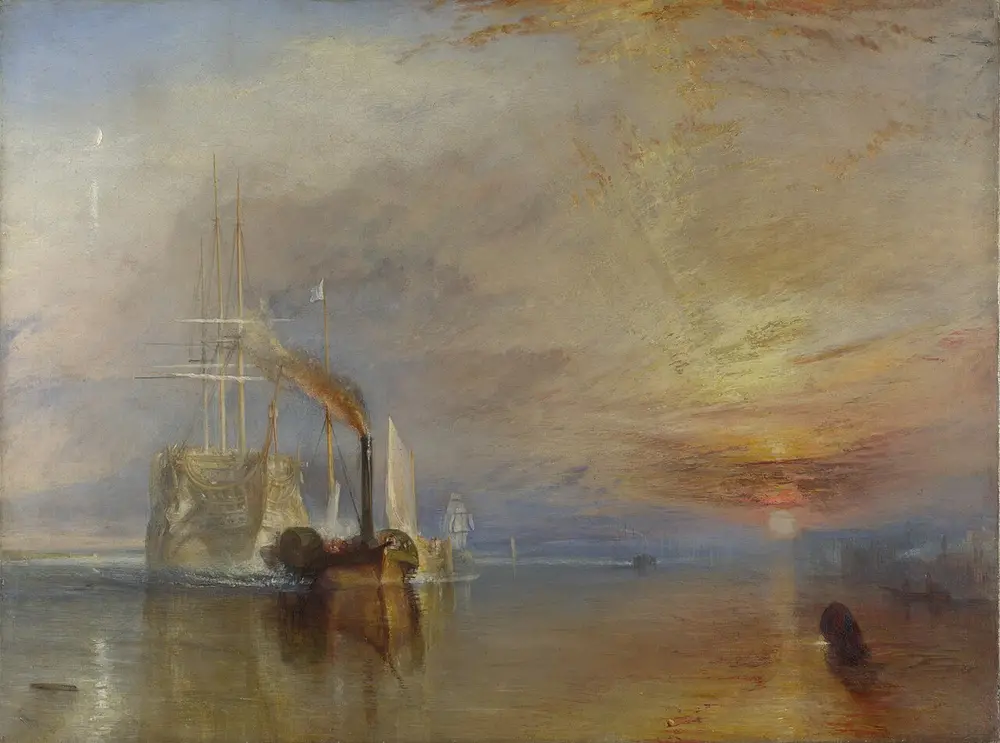
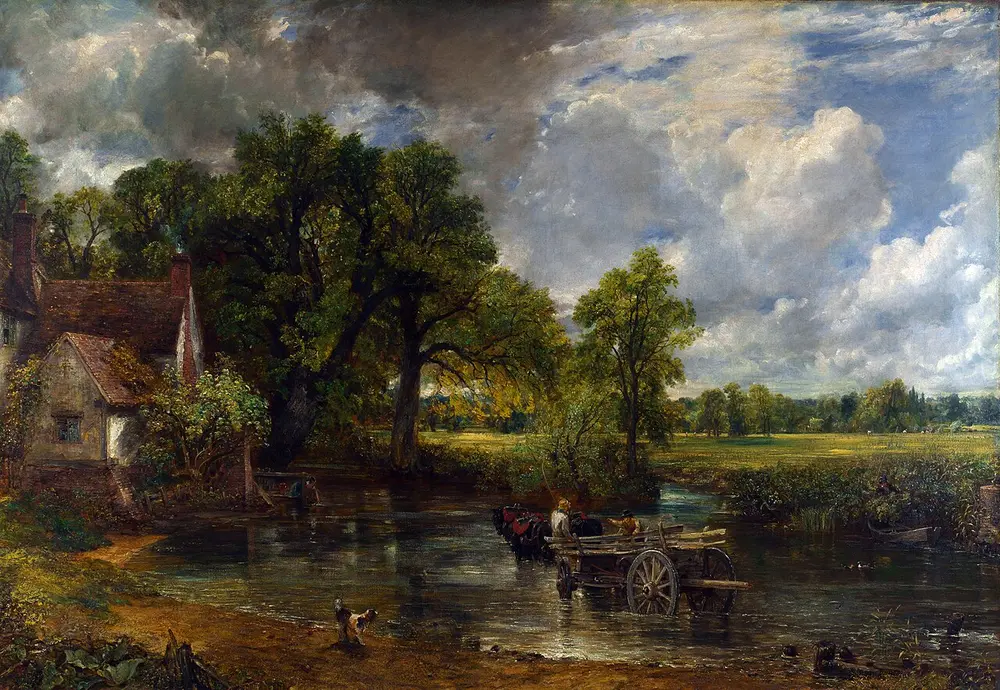
Romantic artists believed that feelings, imagination and the power of nature mattered more than rules. They painted shipwrecks, wars and storms, lonely figures in huge landscapes, and the rebels of their time. In England, landscape painting became their great subject.
Meanwhile in Japan: ukiyo-e
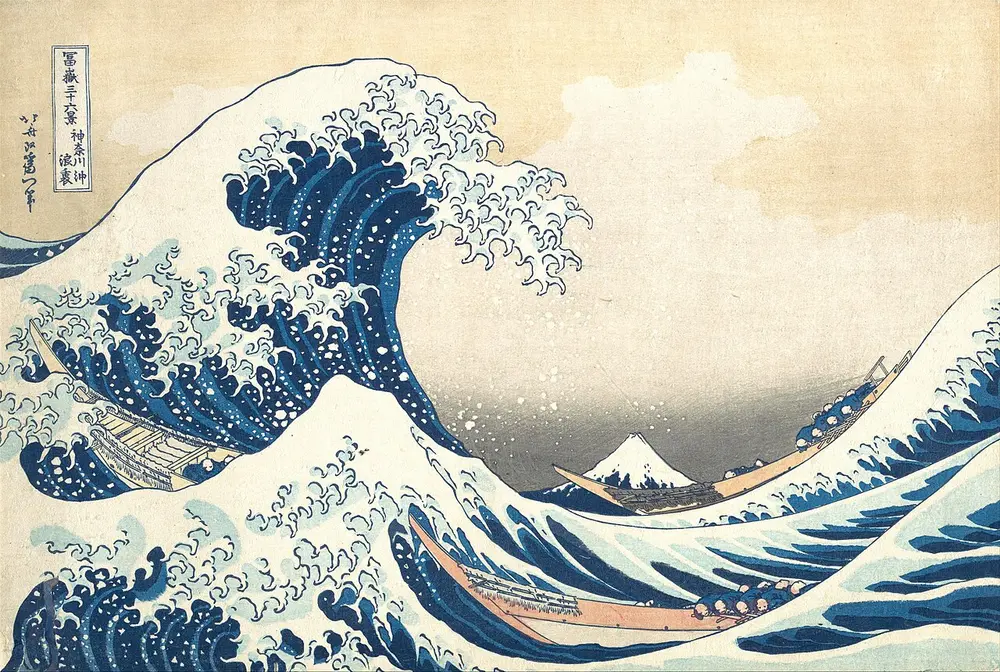
Ukiyo-e means "pictures of the floating world". From the 1600s to the 1800s, Japanese artists made woodblock prints of actors, beautiful women and, later, landscapes. Each colour was printed from a separate carved block, so prints were cheap and sold in large numbers. They reached Europe in the 1800s and changed the Impressionists' ideas of colour and composition.
1600
Caravaggio finishes The Calling of Saint Matthew in Rome
1611
Rubens finishes The Elevation of the Cross in Antwerp
1642
Rembrandt paints The Night Watch
1652
Bernini finishes The Ecstasy of Saint Teresa
1656
Velázquez paints Las Meninas
c. 1665
Vermeer paints Girl with a Pearl Earring
1784
David paints the Oath of the Horatii, a landmark of Neoclassicism
1793
David paints The Death of Marat
1814
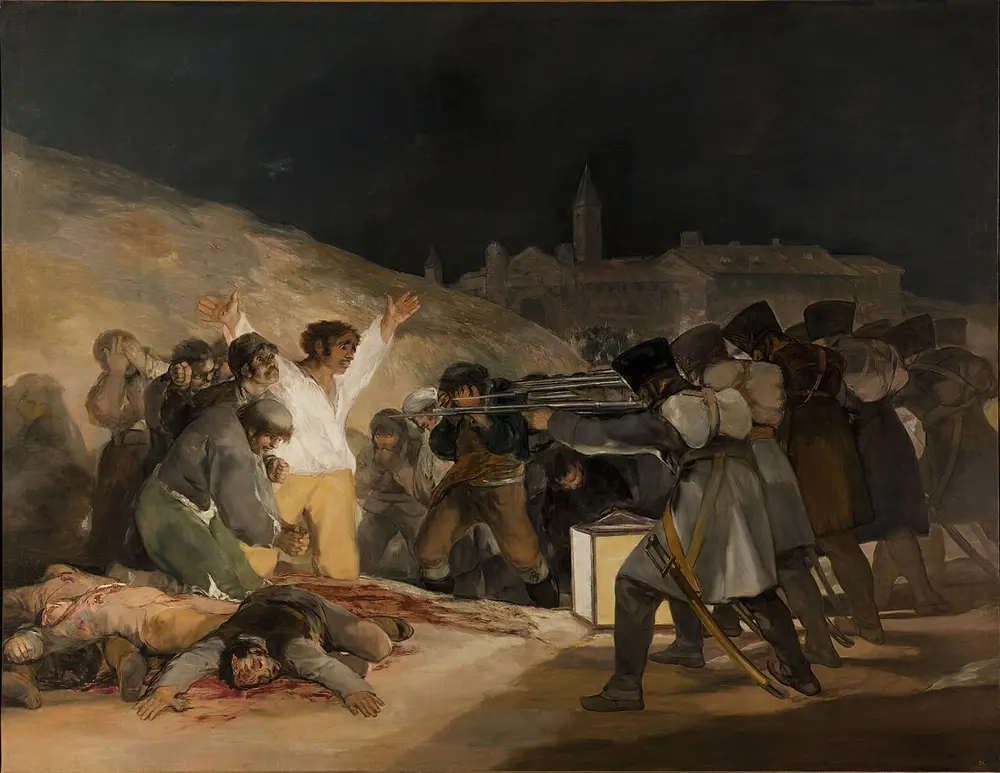
Goya paints The Third of May 1808
c. 1817
Friedrich paints Wanderer above the Sea of Fog
1819
Géricault shows The Raft of the Medusa at the Paris Salon
1821
Constable paints The Hay Wain
1830
Delacroix paints Liberty Leading the People after the July Revolution
c. 1831
Hokusai's Great Wave is published in Japan
1839
Turner shows The Fighting Temeraire at the Royal Academy